Are there any certifications for a Cyclone Dust Collector?
As a supplier of Cyclone Dust Collectors, I often get asked about the certifications associated with these essential industrial equipment. Cyclone Dust Collectors play a crucial role in various industries by efficiently removing dust and particulate matter from the air, ensuring a safe and clean working environment. In this blog, we'll explore the certifications that a Cyclone Dust Collector may have and why they matter.
Understanding Cyclone Dust Collectors
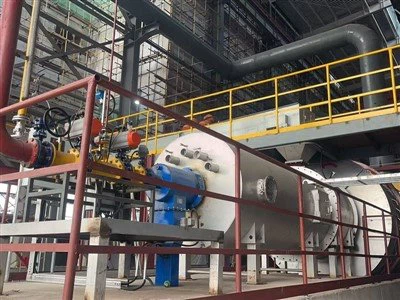
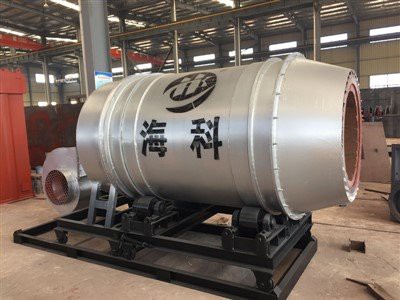
Before delving into the certifications, let's briefly understand what a Cyclone Dust Collector is. A cyclone dust collector is a mechanical device that uses centrifugal force to separate dust particles from the air. It works by swirling the dusty air in a cyclonic motion, causing the heavier dust particles to be thrown to the outer walls of the cyclone and then fall into a collection hopper. This simple yet effective design makes cyclone dust collectors a popular choice for many industries, including woodworking, metalworking, food processing, and pharmaceuticals.
Importance of Certifications
Certifications are important for several reasons. Firstly, they provide assurance to customers that the product meets certain quality and safety standards. A certified Cyclone Dust Collector has been tested and verified to perform as advertised, giving customers peace of mind that they are investing in a reliable and effective product. Secondly, certifications can help businesses comply with local and national regulations regarding air quality and workplace safety. By using a certified dust collector, companies can avoid fines and legal issues associated with non - compliance.
Common Certifications for Cyclone Dust Collectors
ISO 9001
The ISO 9001 certification is an internationally recognized standard for quality management systems. A Cyclone Dust Collector supplier with ISO 9001 certification demonstrates that they have a well - defined quality management system in place. This means that every aspect of the product, from design and manufacturing to installation and after - sales service, is subject to strict quality control measures. Customers can be confident that the cyclone dust collector they purchase will be of high quality and will meet their expectations.
CE Certification
CE certification is a mandatory certification for products sold in the European Economic Area (EEA). It indicates that the product complies with the essential health and safety requirements set out in the relevant European directives. For a Cyclone Dust Collector, CE certification means that the product has been tested for electrical safety, mechanical safety, and environmental protection. This certification is crucial for suppliers who want to sell their products in the European market.
UL Certification
UL (Underwriters Laboratories) certification is a widely recognized safety certification in the United States and other countries. A UL - certified Cyclone Dust Collector has been tested and approved to meet specific safety standards. This includes testing for fire resistance, electrical safety, and proper ventilation. UL certification is important for customers in the US market, as it provides an extra layer of assurance that the product is safe to use.
ATEX Certification
ATEX certification is required for equipment used in potentially explosive atmospheres. In industries where there is a risk of dust explosions, such as the chemical, pharmaceutical, and mining industries, a Cyclone Dust Collector with ATEX certification is essential. This certification ensures that the dust collector is designed and manufactured to prevent ignition sources and minimize the risk of explosions.
Other Considerations
In addition to these major certifications, there may be other industry - specific certifications or standards that a Cyclone Dust Collector needs to meet. For example, in the food processing industry, the dust collector may need to meet hygiene standards set by organizations such as the Food and Drug Administration (FDA) in the United States. Similarly, in the pharmaceutical industry, the dust collector may need to comply with Good Manufacturing Practice (GMP) guidelines.
It's also important to note that certifications are not static. Suppliers need to continuously maintain and update their certifications to ensure that their products remain compliant with the latest standards and regulations. This requires ongoing investment in quality control, testing, and research and development.
Comparing with Other Dust Collectors
While Cyclone Dust Collectors are popular, there are other types of dust collectors available in the market, such as Air - Box Pulse Bag Filter and Standalone Dust Collector. Each type of dust collector has its own advantages and disadvantages, and the choice of dust collector depends on various factors, including the type of dust, the volume of dust, and the specific requirements of the application.
Air - Box Pulse Bag Filters are known for their high efficiency in capturing fine dust particles. They use a series of filter bags to trap the dust, and the bags are periodically cleaned using a pulse of compressed air. Standalone Dust Collectors are more compact and are suitable for smaller applications or for use in areas where space is limited.
However, Cyclone Dust Collectors have their own unique advantages. They are relatively simple in design, require less maintenance, and are cost - effective. They are also effective in removing larger dust particles, making them a good choice for applications where the dust is relatively coarse.


Conclusion and Call to Action
In conclusion, certifications are an important aspect of a Cyclone Dust Collector. They provide assurance of quality, safety, and compliance with regulations. As a supplier, we are committed to providing our customers with Cyclone Dust Collectors that meet the highest standards and have the necessary certifications.
If you are in the market for a Cyclone Dust Collector or have any questions about our products and their certifications, we encourage you to reach out to us. Our team of experts is ready to assist you in choosing the right dust collector for your specific needs and to guide you through the procurement process. Whether you are a small business or a large industrial enterprise, we have the solutions to help you maintain a clean and safe working environment.
References
- ISO 9001:2015 Quality management systems — Requirements.
- European Union CE Marking Directives.
- UL Standards for Safety.
- ATEX Directive 2014/34/EU.