Hey there! I'm a supplier of Dual - Rotor Air Classifiers, and today I want to have a chat about whether a Dual - Rotor Air Classifier can be used for classifying plastic particles.
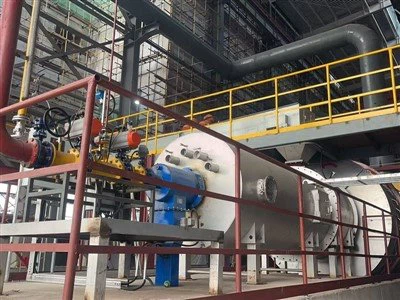
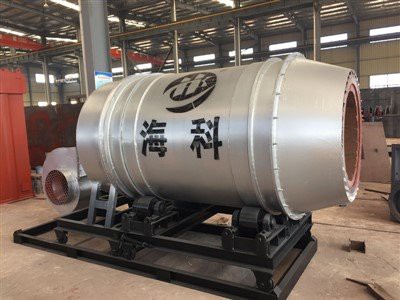
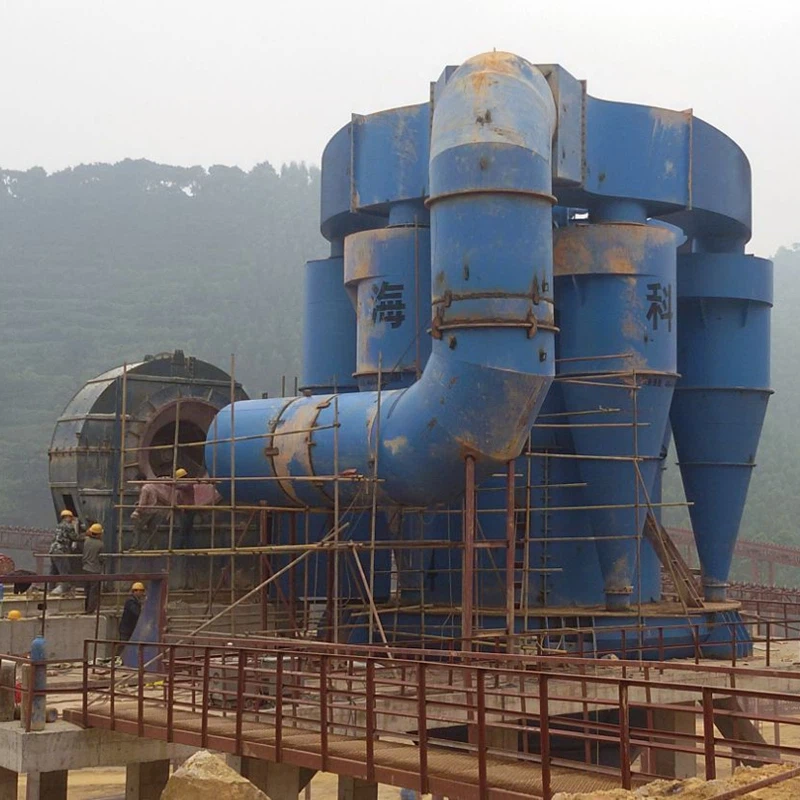
First off, let's understand what a Dual - Rotor Air Classifier is. You can check out more details about it here. This classifier is a pretty nifty piece of equipment. It uses air flow and the rotation of two rotors to separate particles based on their size, shape, and density. The working principle is that particles are fed into the classifier, and the air flow carries them through the rotors. The smaller and lighter particles are carried out with the air stream, while the larger and heavier ones fall out.
Now, let's talk about plastic particles. Plastics come in all shapes and sizes, from tiny microplastics to larger pellets. The classification of plastic particles is crucial in many industries. For example, in the recycling industry, classifying plastic particles helps in sorting different types of plastics for further processing. In the manufacturing of plastic products, it ensures that the right - sized particles are used to achieve the desired product quality.
So, can a Dual - Rotor Air Classifier do the job? Well, the answer is yes, and here's why.
1. Size and Density Separation
Plastic particles vary in size and density. A Dual - Rotor Air Classifier can effectively separate them based on these properties. The air flow and the rotating rotors create a force field that allows smaller and less dense plastic particles to be carried along with the air, while larger and denser ones are separated out. This is similar to how it works with other materials like Fly Ash or Sand and Gravel.
2. Adjustable Classification
One of the great things about a Dual - Rotor Air Classifier is its adjustability. You can control the speed of the rotors and the air flow rate. This means you can fine - tune the classification process according to the specific requirements of the plastic particles. Whether you need to separate very fine microplastics or larger plastic pellets, you can make the necessary adjustments to get the best results.
3. High - Efficiency Operation
These classifiers are designed for high - efficiency operation. They can handle large volumes of plastic particles in a relatively short time. This is important in industrial settings where large - scale plastic processing is required. The continuous operation of the Dual - Rotor Air Classifier ensures a steady flow of classified plastic particles, which helps in maintaining the production process.
4. Low Contamination
When classifying plastic particles, it's important to avoid contamination. The Dual - Rotor Air Classifier is designed in a way that minimizes the risk of cross - contamination. The separation process is clean and efficient, ensuring that the classified plastic particles are of high quality.
However, there are also some challenges when using a Dual - Rotor Air Classifier for plastic particles.
1. Electrostatic Charging
Plastic particles can generate static electricity during the classification process. This can cause the particles to stick together or to the walls of the classifier, which may affect the classification efficiency. To overcome this, anti - static measures can be taken, such as using anti - static coatings on the classifier or adding anti - static agents to the plastic particles.
2. Shape Variation
Plastic particles can have a wide range of shapes, from spherical to irregular. The shape of the particles can affect the classification process. Irregularly shaped particles may not be classified as accurately as spherical ones. But the Dual - Rotor Air Classifier can still achieve a reasonable level of classification by adjusting the operating parameters.
3. Wear and Tear
The constant flow of plastic particles through the classifier can cause wear and tear on the rotors and other components. Regular maintenance and replacement of worn parts are necessary to ensure the long - term performance of the classifier.
In conclusion, a Dual - Rotor Air Classifier can definitely be used for classifying plastic particles. It offers many advantages in terms of size and density separation, adjustability, high - efficiency operation, and low contamination. Although there are some challenges, with proper measures, these can be overcome.
If you're in the business of plastic processing, whether it's recycling or manufacturing, a Dual - Rotor Air Classifier could be a great addition to your equipment. It can help you improve the quality of your plastic products and increase your production efficiency.
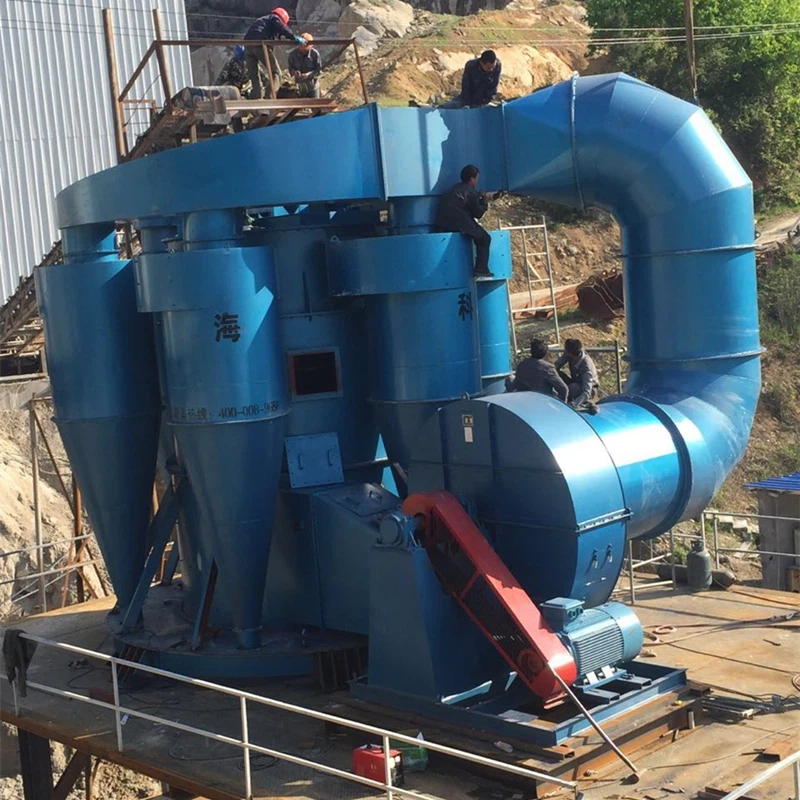
If you're interested in learning more about our Dual - Rotor Air Classifiers or discussing how they can be used for your specific plastic particle classification needs, don't hesitate to reach out. We're here to answer all your questions and help you make the right decision for your business.
References
- Textbooks on industrial particle classification
- Scientific papers on the application of air classifiers in different industries