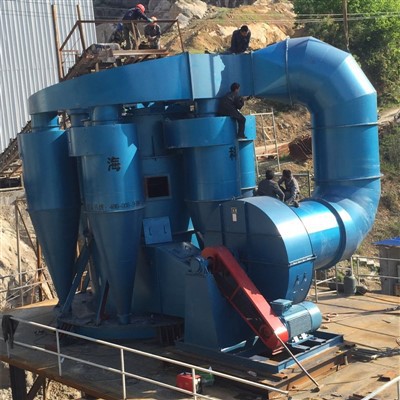
Hey there! As a supplier of Natural Gas Hot Air Furnaces, I know how crucial it is to ensure the safety of these units, especially when they're used in a workshop. Safety isn't just a buzzword; it's the foundation of everything we do. So, let's dive into how you can keep your natural gas hot air furnace running safely in your workshop.
Regular Inspections
First off, regular inspections are a must. You wouldn't drive a car for years without getting it checked, right? The same goes for your natural gas hot air furnace. I recommend having a professional come in at least once a year for a thorough inspection. They'll check for things like gas leaks, proper ventilation, and the overall condition of the furnace.
Gas leaks are super dangerous. They can lead to explosions or carbon monoxide poisoning. A professional inspector will use special equipment to detect any leaks. If they find one, they'll fix it right away. It's better to be safe than sorry!
Proper Ventilation
Ventilation is another key aspect of furnace safety. Natural gas hot air furnaces produce carbon monoxide, which is a colorless and odorless gas. If there's not enough ventilation, this gas can build up in your workshop and pose a serious health risk.
Make sure your workshop has proper exhaust systems in place. The furnace should be connected to a vent that leads outside. This way, any harmful gases are safely expelled from the building. You can also install carbon monoxide detectors in your workshop. These detectors will alert you if the carbon monoxide levels get too high.
Maintenance
Regular maintenance is essential for keeping your furnace in good working condition. This includes cleaning the furnace, changing the filters, and lubricating the moving parts. A dirty furnace can overheat and cause a fire. And if the filters are clogged, the furnace won't work efficiently.
I suggest following the manufacturer's maintenance schedule. They'll tell you how often to clean the furnace, change the filters, and do other maintenance tasks. It might seem like a hassle, but it'll save you a lot of headaches in the long run.
Operator Training
If you have employees using the furnace in your workshop, make sure they're properly trained. They should know how to operate the furnace safely and what to do in case of an emergency. This includes knowing how to turn off the gas supply and how to use a fire extinguisher.


You can provide training sessions or have your employees watch safety videos. It's important that they understand the risks associated with using a natural gas hot air furnace and how to prevent accidents.
Choosing the Right Furnace
When it comes to choosing a natural gas hot air furnace for your workshop, there are a few things to consider. First, make sure the furnace is the right size for your workshop. A furnace that's too small won't heat the space effectively, while a furnace that's too large will waste energy.
You should also look for a furnace that has safety features like automatic shut-off valves and flame sensors. These features can help prevent accidents and keep your workshop safe.
Types of Furnaces
There are different types of furnaces available, and each has its own advantages and disadvantages. For example, the Blast Furnace Gas Hot Blast Stove is great for industrial applications. It can produce high temperatures and is very efficient.
The Natural Gas Hot Air Furnace is a popular choice for workshops. It's relatively easy to install and maintain, and it provides a consistent source of heat.
The Fluidized Bed Furnace is another option. It uses a fluidized bed of sand to transfer heat, which makes it very efficient. However, it can be more expensive to install and maintain.
Emergency Preparedness
No matter how careful you are, accidents can still happen. That's why it's important to have an emergency plan in place. This should include things like knowing how to turn off the gas supply, having a fire extinguisher on hand, and knowing the location of the nearest emergency exits.
You should also conduct regular fire drills in your workshop. This will help your employees know what to do in case of a fire or other emergency.
Conclusion
Ensuring the safety of a natural gas hot air furnace in a workshop is a multi-faceted task. It requires regular inspections, proper ventilation, maintenance, operator training, and emergency preparedness. By following these steps, you can keep your workshop safe and your furnace running smoothly.
If you're in the market for a natural gas hot air furnace, I'd love to help you find the right one for your needs. Feel free to reach out to me for more information or to discuss your options. We're here to make sure you get the best furnace for your workshop and that it operates safely.
References
- "Natural Gas Furnace Safety Tips." Home Safety Council.
- "Furnace Maintenance Guide." HVAC Association.
- "Carbon Monoxide Safety." National Fire Protection Association.