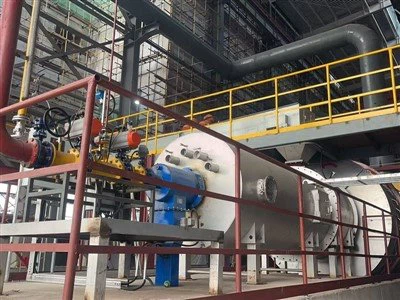
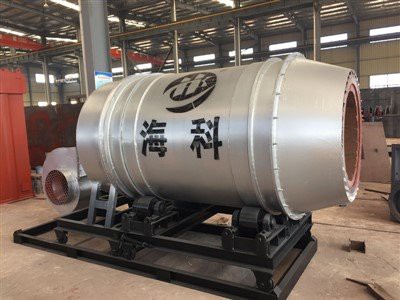
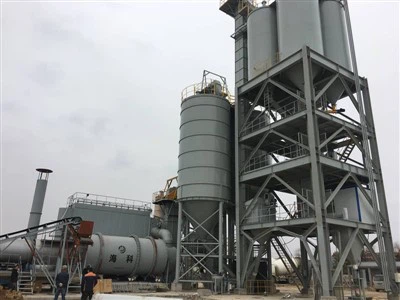
Hey there! As a supplier of Coal Mill Dynamic Air Classifiers, I've seen my fair share of issues that customers run into. In this blog, I'm gonna talk about the common problems with these classifiers and how we can solve 'em.
Common Problems
1. Low Classification Efficiency
One of the most common problems is low classification efficiency. You might notice that the classifier isn't separating the coal particles as well as it should. This could be due to a few reasons. Maybe the air flow rate is off. If the air flow is too low, the particles won't be carried properly, and if it's too high, it can cause over - classification.
Another factor could be the wear and tear of the classifier's internal components. The blades in the classifier can get worn out over time, which affects their ability to separate the particles accurately. Also, if there's a build - up of coal dust on the classifier's surfaces, it can disrupt the air flow and reduce efficiency.
2. Uneven Particle Size Distribution
Sometimes, the classifier produces an uneven particle size distribution. This means that you might end up with a lot of large particles mixed in with the fine ones. This can be a real headache, especially if you need a specific particle size for your coal processing.
The main culprit here is often the design of the classifier. If the classifier isn't properly adjusted or if it's not the right type for your coal characteristics, it can lead to uneven particle separation. For example, if the coal has a wide range of particle sizes to begin with, a classifier that's not designed to handle such a wide range might struggle to give you a uniform output.
3. High Energy Consumption
Energy consumption is always a concern in any industrial process. A Coal Mill Dynamic Air Classifier that consumes too much energy can really eat into your profits. This can happen if the classifier is running at a higher speed than necessary or if there are mechanical inefficiencies in the system.
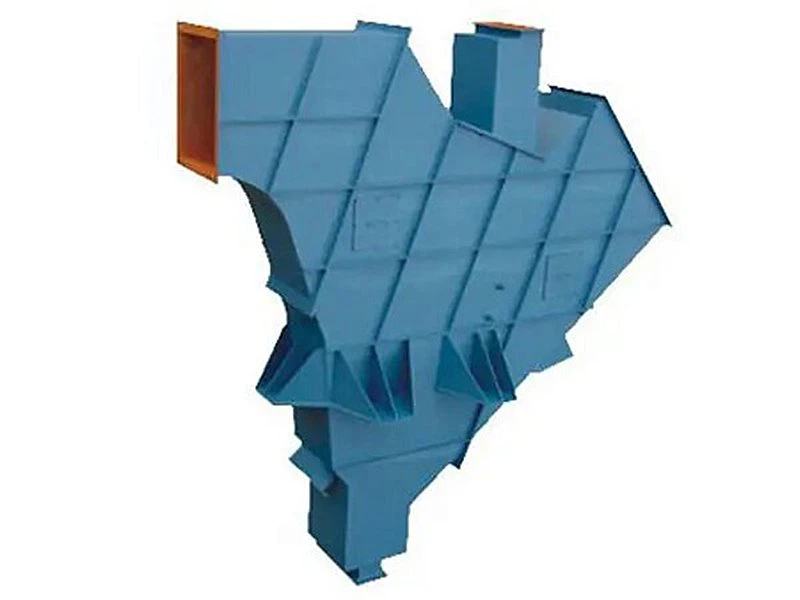
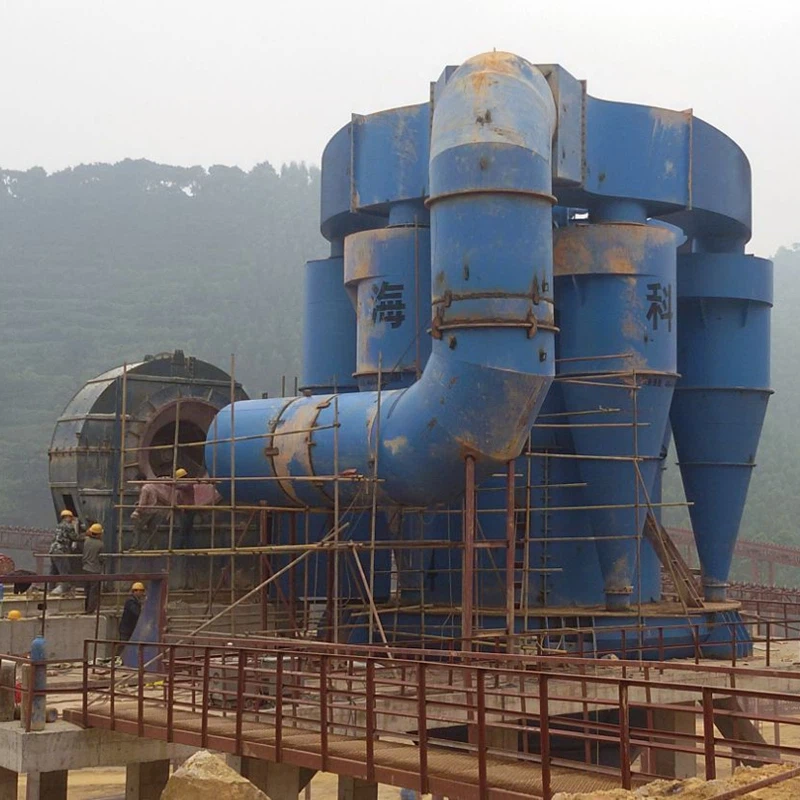
For instance, if the motor driving the classifier is over - sized or if there's a lot of friction in the moving parts, it will require more energy to operate. Also, a clogged air duct can force the classifier to work harder, increasing energy consumption.
4. Noise and Vibration
Excessive noise and vibration can be a sign of problems with the classifier. Noise can be caused by loose parts, misaligned components, or worn - out bearings. Vibration, on the other hand, can be due to an unbalanced rotor or improper installation.
These issues not only make the working environment unpleasant but can also lead to premature wear and tear of the classifier. If left unchecked, they can even cause the classifier to break down completely.
Solutions
1. Improving Classification Efficiency
To improve classification efficiency, you first need to check and adjust the air flow rate. You can use flow meters to measure the air flow and make sure it's within the optimal range for your classifier.
Regular maintenance is also crucial. Inspect the blades and other internal components for wear and replace them as needed. Cleaning the classifier regularly to remove coal dust build - up can also help improve air flow and efficiency.
2. Achieving Even Particle Size Distribution
If you're dealing with uneven particle size distribution, you might need to consider adjusting the classifier settings. You can change the speed of the rotor or the air flow to fine - tune the classification process.
In some cases, you might need to upgrade to a more suitable classifier. For example, if you're working with coal that has a wide range of particle sizes, a Dual - Rotor Air Classifier could be a better option. It's designed to handle a wider range of particle sizes and can provide a more uniform output.
3. Reducing Energy Consumption
To reduce energy consumption, start by checking the motor size. Make sure it's the right size for your classifier's requirements. You can also lubricate the moving parts regularly to reduce friction.
Another important step is to keep the air ducts clean. A clogged air duct can increase the load on the classifier, leading to higher energy consumption. Regularly inspect and clean the air ducts to ensure smooth air flow.
4. Addressing Noise and Vibration
To deal with noise and vibration, first, check for loose parts and tighten them. If the rotor is unbalanced, you can have it balanced by a professional. Make sure the classifier is properly installed on a stable foundation to minimize vibration.
If the noise is coming from worn - out bearings, replace them as soon as possible. This will not only reduce noise but also prevent further damage to the classifier.
Other Types of Air Classifiers
There are other types of air classifiers that might be useful depending on your specific needs. For example, the V - Type Air Classifier is great for classifying materials with a relatively narrow particle size range. It's known for its high efficiency and accurate classification.
The Sand and Gravel Classifier is designed specifically for classifying sand and gravel. It can handle large volumes of material and provide a consistent particle size distribution.
If you're facing any of these problems with your Coal Mill Dynamic Air Classifier or if you're looking for a more suitable classifier for your coal processing, don't hesitate to reach out. We're here to help you find the best solution for your needs. Whether it's adjusting your current classifier or recommending a new one, we've got you covered.
So, if you're interested in learning more about our products or if you want to discuss your specific requirements, just drop us a line. We're always happy to have a chat and help you make the right choice for your coal processing operations.
References
- Industrial Handbook of Coal Processing
- Technical Manuals of Coal Mill Dynamic Air Classifiers