As a supplier of Dual - Rotor Air Classifiers, I often receive inquiries from customers about the air pressure requirements for these machines. Understanding the air pressure requirements is crucial for the efficient and effective operation of a Dual - Rotor Air Classifier. In this blog, I will delve into the details of what air pressure is needed for a Dual - Rotor Air Classifier and why it matters.
The Basics of a Dual - Rotor Air Classifier
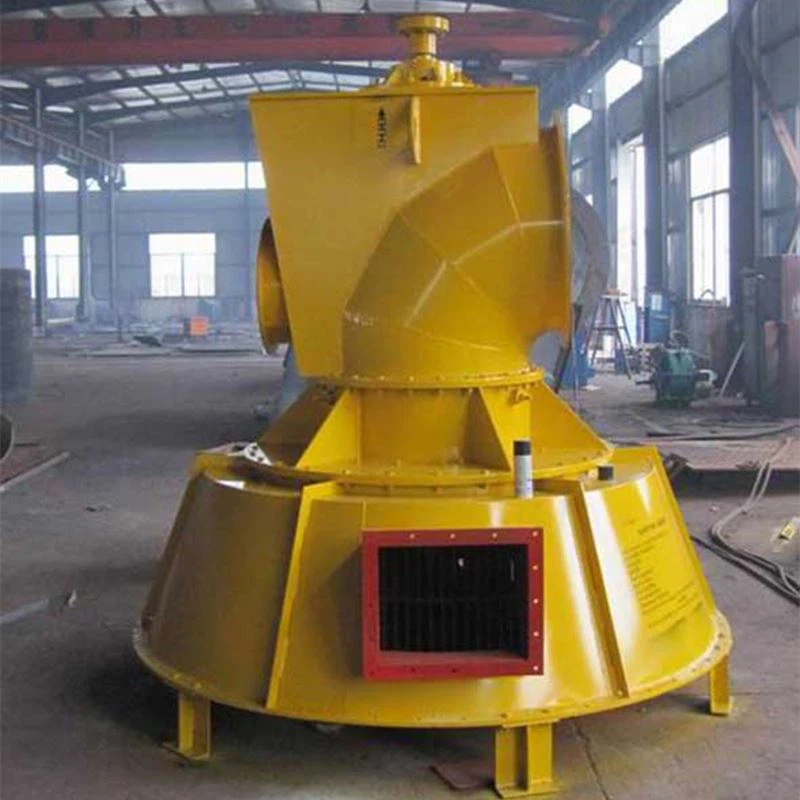
A Dual - Rotor Air Classifier is a high - performance classification device used in various industries, such as mining, cement, and chemical engineering. It works on the principle of using air flow to separate particles based on their size and density. The two rotors in the classifier create a complex air flow pattern that helps in achieving a precise separation of particles.
The classification process involves feeding the material into the classifier, where it is dispersed in the air stream. The air flow then carries the particles through the rotors, and depending on their size and density, the particles are either collected as the fine product or returned as the coarse product.
Importance of Air Pressure
Air pressure plays a vital role in the operation of a Dual - Rotor Air Classifier. It affects several aspects of the classification process, including the particle separation efficiency, the throughput of the machine, and the quality of the final products.
Particle Separation Efficiency
The air pressure determines the velocity of the air flow within the classifier. A higher air pressure results in a higher air velocity, which can carry smaller particles through the classifier more effectively. This is because the force exerted by the air on the particles is proportional to the air velocity. As a result, a well - regulated air pressure can ensure that the fine particles are separated from the coarse particles accurately.
Throughput
The air pressure also influences the throughput of the Dual - Rotor Air Classifier. A higher air pressure can increase the amount of material that can be processed per unit time. However, it is important to find the right balance, as an excessively high air pressure can cause the classifier to become overloaded and reduce the overall efficiency.
Product Quality
The quality of the final products is directly related to the air pressure. A proper air pressure ensures that the fine particles are separated from the coarse particles, resulting in a high - quality fine product and a well - defined coarse product. If the air pressure is too low, the fine particles may not be separated effectively, leading to a lower - quality product.
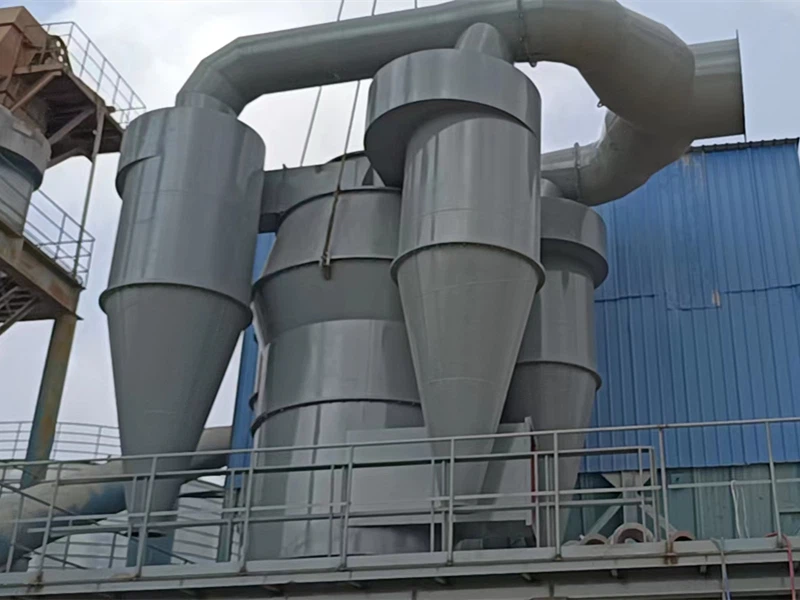
Determining the Air Pressure Requirement
The air pressure requirement for a Dual - Rotor Air Classifier depends on several factors, including the type of material being classified, the desired particle size distribution, and the throughput of the machine.
Material Properties
Different materials have different physical properties, such as density, particle shape, and surface area. These properties affect the way the particles interact with the air flow. For example, materials with a high density require a higher air pressure to be carried through the classifier compared to materials with a low density.
Desired Particle Size Distribution
The desired particle size distribution also plays a crucial role in determining the air pressure requirement. If a narrow particle size distribution is required, a higher air pressure may be needed to ensure that the fine particles are separated accurately. On the other hand, if a wider particle size distribution is acceptable, a lower air pressure may be sufficient.
Throughput
The throughput of the Dual - Rotor Air Classifier is another important factor. A higher throughput requires a higher air pressure to ensure that the material is processed efficiently. However, as mentioned earlier, an excessively high air pressure can lead to overloading and reduced efficiency.
Typical Air Pressure Ranges
In general, the air pressure for a Dual - Rotor Air Classifier typically ranges from 1000 to 5000 Pa. However, this range can vary depending on the specific application and the factors mentioned above.
For example, in applications where a high - precision classification is required, such as in the pharmaceutical industry, the air pressure may be on the higher end of the range. On the other hand, in applications where a less precise classification is acceptable, such as in some mining operations, the air pressure may be on the lower end of the range.
Monitoring and Adjusting Air Pressure
To ensure the optimal performance of a Dual - Rotor Air Classifier, it is important to monitor and adjust the air pressure regularly. This can be done using pressure sensors installed in the classifier. These sensors can provide real - time data on the air pressure, allowing operators to make necessary adjustments.
If the air pressure is too low, the operator can increase the air pressure by adjusting the fan speed or the air intake valve. Conversely, if the air pressure is too high, the operator can reduce the air pressure by decreasing the fan speed or closing the air intake valve.
Related Products
In addition to the Dual - Rotor Air Classifier, we also offer other types of air classifiers, such as the Composite Air Classifier, Fly Ash Air Classifier, and Coal Mill Dynamic Air Classifier. These products are designed to meet the specific needs of different industries and applications.
Conclusion
In conclusion, the air pressure requirement for a Dual - Rotor Air Classifier is a critical factor that affects the performance and efficiency of the machine. By understanding the factors that influence the air pressure requirement and monitoring and adjusting the air pressure regularly, operators can ensure that the classifier operates at its optimal level.
If you are interested in purchasing a Dual - Rotor Air Classifier or any of our other air classifier products, we encourage you to contact us for further information and to discuss your specific requirements. Our team of experts is ready to assist you in finding the right solution for your business.
References
- Smith, J. (2018). Air Classification Technology. New York: Industrial Press.
- Johnson, A. (2019). Principles of Particle Separation in Air Classifiers. Journal of Chemical Engineering, 45(2), 123 - 135.
- Brown, C. (2020). Optimizing Air Pressure in Air Classifiers. Proceedings of the International Conference on Powder Technology, 12 - 15.