Hey there! As a supplier of Biomass Pellet Furnaces, I'm super stoked to chat with you about the quality of heat produced by these amazing machines. Biomass pellet furnaces have been gaining a ton of popularity lately, and for good reason. They're not only eco - friendly but also offer some top - notch heat quality.
Let's start by understanding what biomass pellets are. These are small, cylindrical pieces made from compressed organic materials like wood chips, sawdust, agricultural waste, and other biomass sources. When burned in a biomass pellet furnace, they release heat energy.
One of the key factors that determine the quality of heat from a biomass pellet furnace is the combustion efficiency. A well - designed biomass pellet furnace can achieve high combustion efficiency. This means that a large percentage of the energy stored in the pellets is converted into heat, rather than being wasted. For example, modern biomass pellet furnaces can have combustion efficiencies of up to 90% or even higher. This high efficiency translates into more heat output for the same amount of fuel, which is great for both your wallet and the environment.
The heat output of a biomass pellet furnace is also quite consistent. Unlike some other heating sources, such as open fires that can have fluctuating heat levels, a biomass pellet furnace can maintain a steady temperature. The automated feeding system in these furnaces ensures that a consistent amount of pellets is fed into the combustion chamber, resulting in a stable heat output. This is especially important for maintaining a comfortable indoor temperature during cold weather.
Another aspect of heat quality is the type of heat produced. Biomass pellet furnaces generate radiant heat. Radiant heat warms objects and people in a room directly, rather than just heating the air. This creates a more comfortable and natural feeling of warmth. You'll notice that you feel warm even if the air temperature is a bit lower, because the objects around you are absorbing the radiant heat.
Now, let's talk about how biomass pellet furnaces compare to other types of furnaces. There are several other types of furnaces out there, such as Blast Furnace Gas Hot Blast Stove, Fluidized Bed Furnace, and Pulverized Coal Furnace.
Blast furnace gas hot blast stoves are mainly used in industrial settings. They use blast furnace gas as a fuel source. While they can produce a large amount of heat, they are often large - scale and not very suitable for residential use. Fluidized bed furnaces are also industrial - scale, and they work by suspending solid particles in a stream of gas. They can handle a variety of fuels, but they require more complex operation and maintenance. Pulverized coal furnaces burn coal that has been ground into a fine powder. However, coal is a non - renewable resource and burning it can release a significant amount of pollutants.
In contrast, biomass pellet furnaces are more suitable for both residential and small - scale commercial use. They use a renewable fuel source, which is better for the environment. And the heat quality they provide is comparable, if not better, than some of these other furnace types.
The heat from a biomass pellet furnace is also clean. Biomass pellets are made from organic materials, and when burned properly, they produce very low levels of emissions. This is a big plus, especially in areas where air quality is a concern. You don't have to worry about releasing a bunch of harmful pollutants into the air while keeping your home warm.
Moreover, the heat distribution in a room heated by a biomass pellet furnace is quite good. The radiant heat spreads evenly throughout the space, eliminating cold spots. This is thanks to the design of the furnace and the way the heat is radiated from the combustion chamber.
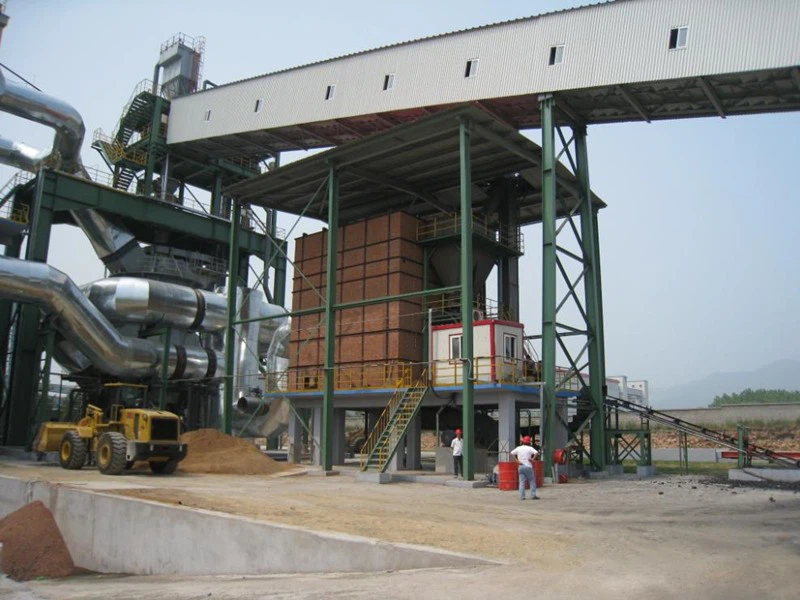
If you're thinking about purchasing a biomass pellet furnace, there are a few things to consider. First, make sure to choose a furnace with a high - quality burner. The burner is responsible for igniting and burning the pellets efficiently. A good burner will ensure that the pellets are burned completely, maximizing the heat output.
Second, look for a furnace with a reliable automated feeding system. This will ensure that the pellets are fed into the combustion chamber at a consistent rate, maintaining a stable heat output.
Finally, consider the size of the furnace. You want to choose a furnace that is appropriately sized for the space you need to heat. A furnace that is too small won't be able to heat the area effectively, while a furnace that is too large will waste energy.
In conclusion, the quality of heat produced by a biomass pellet furnace is top - notch. It offers high combustion efficiency, consistent heat output, radiant heat, and clean emissions. Whether you're looking to heat your home or a small commercial space, a biomass pellet furnace is a great option.
If you're interested in learning more about our Biomass Pellet Furnaces or want to discuss a potential purchase, feel free to reach out. We're here to help you make the best decision for your heating needs.
References:
- Biomass Energy Association reports
- Industry research on furnace technologies