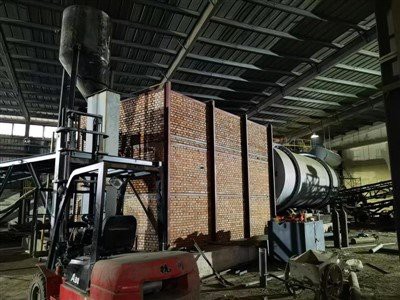
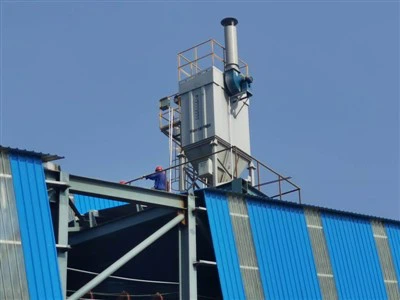
As a supplier of Standalone Dust Collectors, I understand the importance of proper storage when these units are not in use. A well - stored dust collector not only maintains its performance but also extends its lifespan. In this blog, I'll share some practical tips on how to store a Standalone Dust Collector effectively.
Pre - storage Preparation
Before you store your Standalone Dust Collector, it's crucial to clean it thoroughly. Dust and debris can cause corrosion and mechanical issues over time. Start by emptying the dust collection bin. This will prevent the accumulation of dust that could potentially clog the internal components.
Next, use a soft brush or compressed air to clean the exterior of the unit. Pay special attention to the intake and exhaust vents. Make sure there are no blockages or debris that could impede the airflow when the collector is used again. For the internal parts, such as the filters, remove them carefully. Filters can be cleaned according to the manufacturer's instructions. Some filters can be washed with mild soap and water, while others may need to be replaced if they are too dirty or damaged.
Disassembly (if necessary)
In some cases, disassembling the Standalone Dust Collector for storage can be beneficial. This is especially true for larger models. Before you start disassembling, refer to the user manual to understand the proper disassembly process.
For example, if your dust collector has a cyclone separator, like the Cyclone Dust Collector, you can disassemble it into its components. This makes it easier to store and also allows for more thorough cleaning. However, make sure to label all the parts clearly so that you can reassemble them correctly later.
Choosing the Right Storage Location
The storage location plays a vital role in the preservation of your Standalone Dust Collector. First, choose a dry and clean area. Moisture can cause rust and corrosion on the metal parts of the collector. A basement or a garage can be suitable, but make sure they are well - ventilated to prevent the buildup of humidity.
Avoid storing the dust collector in direct sunlight. Prolonged exposure to sunlight can cause the plastic parts to fade and become brittle. Also, keep the unit away from sources of heat, such as heaters or furnaces, as excessive heat can damage the internal components.
Protection and Covering
Once you have chosen the storage location, it's time to protect the Standalone Dust Collector. You can use a custom - made cover or a heavy - duty plastic sheet to protect it from dust and debris. Make sure the cover fits snugly over the unit to prevent any dust from getting inside.
If you have disassembled the unit, wrap each part separately in bubble wrap or foam to prevent scratches and damage during storage. For the filters, store them in a sealed plastic bag to keep them clean and dry.
Maintenance During Storage
Even when the Standalone Dust Collector is in storage, it still requires some maintenance. Periodically check the unit for any signs of damage or corrosion. If you notice any issues, address them immediately.
If the dust collector has a motor, you may want to run it briefly every few months. This helps to keep the motor lubricated and prevents the bearings from seizing up. However, make sure to do this in a well - ventilated area and follow all safety precautions.


Reassembling and Testing
When it's time to use the Standalone Dust Collector again, reassemble it carefully following the user manual. Make sure all the parts are properly connected and tightened.
After reassembling, perform a thorough inspection of the unit. Check for any loose parts, leaks, or damage. Then, test the dust collector to ensure it is working properly. Start the unit and check the airflow, suction power, and the operation of the controls.
Conclusion
Proper storage of a Standalone Dust Collector is essential for its long - term performance and durability. By following these steps, you can ensure that your dust collector remains in good condition even when it's not in use.
If you are in the market for a high - quality Standalone Dust Collector or other dust collection solutions like the Air - Box Pulse Bag Filter, we are here to help. Our team of experts can provide you with the right advice and products to meet your specific needs. Contact us for more information and to start a procurement discussion.
References
- Manufacturer's user manuals for Standalone Dust Collectors
- Industry best practices for dust collector storage and maintenance