


Feeding and Discharging System
Product Overview
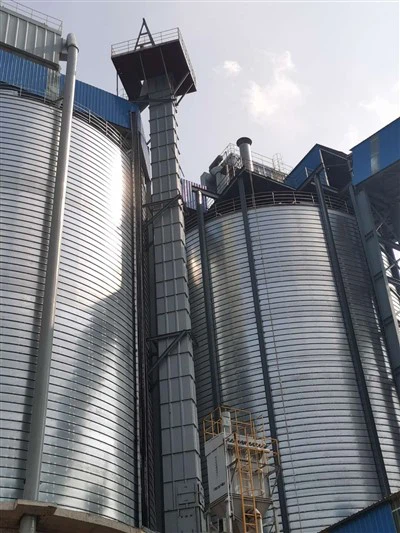
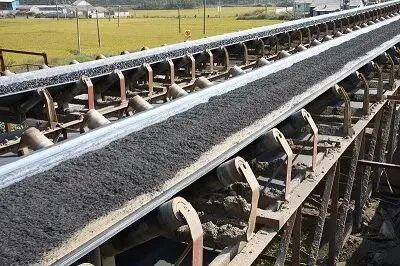
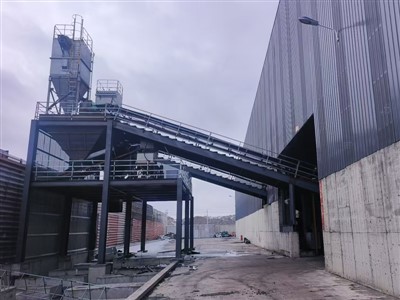
The Industrial Feeding and Discharging System is an engineered bulk material handling unit designed for controlled extraction, metering, and transfer of powders, granules, and cohesive materials from storage vessels (silos, big bags, hoppers) to downstream processing lines.
Built to handle challenging particulate behaviors—including bridging, fluidization, and high abrasiveness—this system integrates mechanical agitation, volumetric or gravimetric feeding, and positive/negative pressure sealing. It prevents material starvation in continuous production environments while maintaining strict environmental containment.


Zero-Dust Containment Design
Engineered with inflatable seals and double-lip shaft seals, keeping airborne particulate emissions below 0.1 mg/m3 during discharge cycles.
Anti-Bridging Agitation Mechanism
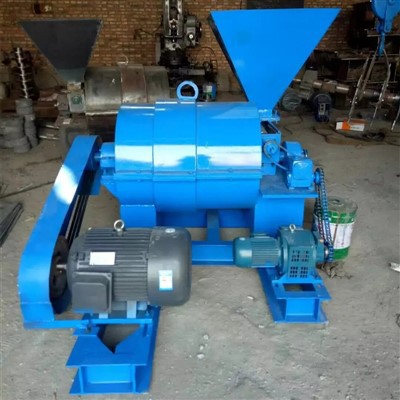
Independent vertical agitators and variable-pitch screws break cohesive material structures, eliminating rat-holing and flow stagnation in hopper outlets.
High-Precision Gravimetric/Volumetric Dosing
Closed-loop load cell feedback integrated with PLC controls ensures continuous feeding accuracy within +/-0.2% to +/-0.5%.
Hygienic / Quick-Clean Internal Geometry
All product-contact surfaces feature smooth transitions (minimum r = 3 mm corners) with no dead zones, supporting rapid manual cleanout or Clean-in-Place (CIP) integration.
Modular Assembly Interface
Flanged connections match standard DIN, ANSI, and JIS bulk handling interfaces for seamless integration into existing plant ductwork and silo discharges.
Main Components
Discharge Hopper & Flow Aid
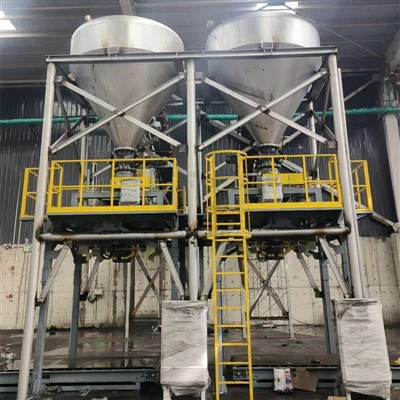
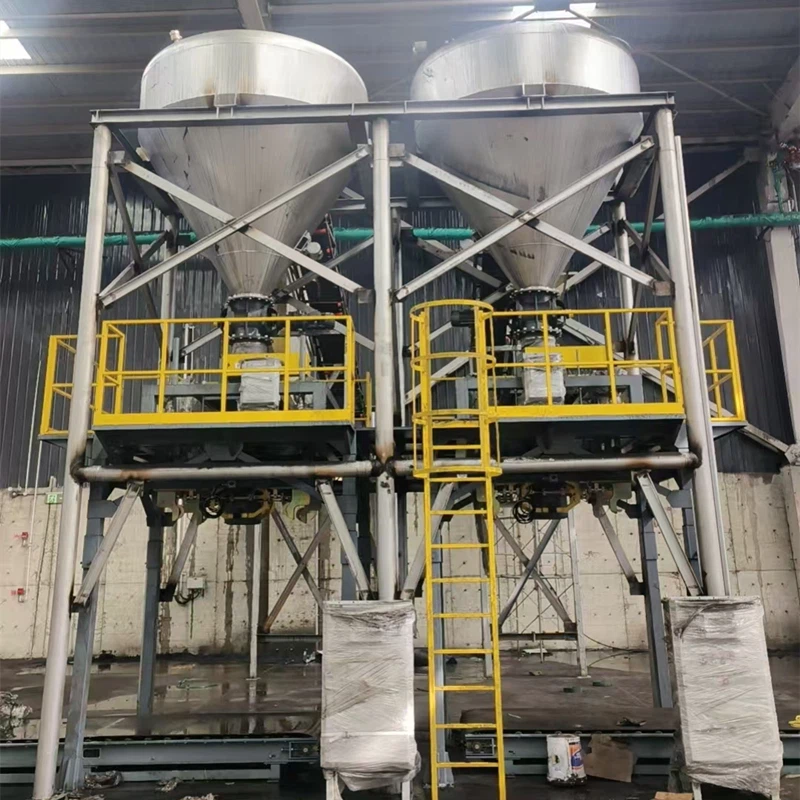
Stainless steel conical bin equipped with pneumatic vibrators or mechanical paddle breakers.
01
Primary Discharger
Twin-screw or rotary valve feeder designed to break initial material compaction and regulate primary mass flow.
02
Secondary Precision Feeder
High-resolution micro-screw or vibratory tray paired with high-precision strain gauge load cells.
03
Sealing & Isolation Assembly
Heavy-duty butterfly valves, pinch valves, or inflatable sleeve connectors for positive shut-off.
04
Control Cabinet
Enclosure housing PLC (Siemens S7-1200 / Allen-Bradley Micro850), HMI touch screen, and ATEX-rated intrinsic safety barriers.
05
Technical Specifications
|
Parameter |
Specification Range / Standard |
|
Handling Capacity |
50 kg/h to 15,000 kg/h (Dependent on bulk density) |
|
Feeding Accuracy |
Continuous Gravimetric: +/-0.2% to +/-0.5% |
|
Bulk Density Range |
0.2 g/cm3 to 2.5 g/cm3 |
|
Contact Materials |
Standard: SS304 / SS316L |
|
Surface Finish |
Contact parts Ra <= 0.4 um (Mirror/Electropolished); Exterior Ra <= 1.6 um |
|
Operating Pressure |
-0.05 MPa to +0.1 MPa (Vacuum to low pressure compatible) |
|
Explosion Protection |
ATEX Zone 21 / 22 compliant; NEC Class II, Div 1 available |
|
Power Supply |
380V/415V, 3-phase, 50Hz/60Hz (Customizable) |
Lithium-Ion Battery Manufacturing: Safe handling and dosing of cathode powders (LFP, NMC) and graphite under moisture-controlled dry room conditions.
Fine Chemicals & Pigments: Controlled feeding of toxic or fine titanium dioxide (TiO2) and carbon black powders without fugitive dust.
Pharmaceutical Processing: Gravimetric dosing of active pharmaceutical ingredients (APIs) requiring cGMP compliance and traceable batch records.
Food & Confectionery: Hygienic discharge of milk powder, starch, and sugar additives requiring frequent tool-less disassembly.
Configuration Options
Discharge Interface
Big bag (FIBC) unloader station with dust collection hoods / Rotary drum tipper / Manual bag dump station with integrated dust extraction fan.
Feeder Geometry
Single-screw for free-flowing granules; Twin-screw (intermeshing or non-intermeshing) with forced-feeding agitator for cohesive, sticky powders.
Weighing Configuration
Loss-in-Weight (LIW) configuration for continuous processes; Gain-in-Weight (GIW) batching configuration.
Inert Gas Purging
Nitrogen (N2) blanket port for oxygen-sensitive or pyrophoric materials.
OEM & ODM Customization
We engineer and manufacture systems to match specific plant layouts and process requirements:
Mechanical Customization
Tailored hopper angles calculated from Jenike shear cell test data for specific material friction angles; custom flange dimensions and restricted headroom configurations.
Material Upgrades
Selection of specialized alloys (e.g., Duplex stainless steel, wear-resistant carbide coatings) for highly abrasive minerals (Mohs > 7).
Automation Integration
Custom PLC programming logic, Profinet / Modbus TCP communication protocols, and compliance with local electrical safety codes (UL/CSA certified control panels available).
Quality Control & Manufacturing Standards
Welding Inspection
TIG welding performed by certified welders (EN ISO 9606-1); all product-contact welds ground flush, passivated, and subjected to dye penetrant testing (PT).
Dimensional & Pressure Testing
Hydrostatic pressure testing of vessels and functional dry-run testing of mechanical drives prior to shipment.
Traceability
Material Test Reports (MTRs - EN 10204 3.1) provided for all pressure boundaries and product-contact stainless steel sheets.
Factory Acceptance Test (FAT)
Fully documented FAT protocols executed in our test facility, allowing client inspection or remote video audit.
Packaging & Shipping
Export Packing
ISPM 15 compliant heat-treated solid wooden crates with internal moisture barrier foil and silica gel desiccant packs.
Component Protection
Open flanges sealed with heavy-duty plastic blanking plates; delicate instrumentation removed and packed in anti-static foam containers.
Logistics Support
Containerized sea freight (20GP/40HQ) or air freight options with complete customs documentation (Certificate of Origin, Bill of Lading, Packing List, Commercial Invoice).
Frequently Asked Questions

Request a Quote
To configure a Feeding and Discharging System tailored to your exact material properties and process requirements, please provide the following parameters to our engineering team:
Material Name & Bulk Density (g/cm3)
Required Feed Rate (kg/h or m3/h)
Target Feeding Accuracy (+/- %)
Upstream Storage Vessel Type (Silo, Big Bag, Hopper)
Environmental Requirements (ATEX Zone, Standard Industrial, Cleanroom)