


Shot Blasting Machines
Product Overview
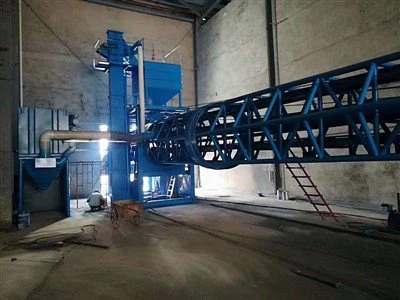
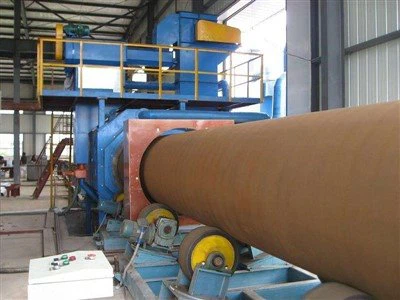
Industrial shot blasting machines provide continuous or batch surface preparation for metal components by propelling steel abrasives at high velocities. Built for heavy-duty, multi-shift operational cycles in foundries, structural steel fabrication, and forging plants, these systems remove scale, rust, and residual sand while establishing an optimized surface anchor pattern (Sa2.5 to Sa3) for subsequent coating or welding.
Engineered around high-efficiency centrifugal blast wheels and robust abrasive recycling loops, the machine minimizes media consumption and ensures consistent surface finishing across high-volume production lines. Designed to meet strict CE safety directives and ISO 9001 quality manufacturing standards.


Key Features
High-Durability Blast Wheel Assembly:
Direct-drive or belt-driven blast wheels featuring high-chromium alloy blades, control cages, and impellers designed for rapid field replacement and extended service intervals.
High-Manganese Steel Protection:
The primary blast zone is lined with high-manganese (Mn13) or hardened alloy cast iron wear plates, offering high resistance to direct abrasive impact and superior work-hardening characteristics.
Multi-Stage Air-Wash Separator:
Integrates a high-efficiency gravity separator and screen to remove broken abrasive, dust, and contaminants from reusable shot, maintaining a clean abrasive mix and protecting downstream components.
Advanced Dust Collection Interface:
Equipped with cartridge or bag-type pulse-jet dust collectors maintaining workshop emissions below 10 mg/m3, complying with strict environmental standards (OSHA/EPA compatible).
Heavy-Duty Welded Structural Frame:
Heavy-gauge carbon steel plate construction (Q235B or Q345B, 8 mm to 16 mm wall thickness) fully welded and stress-relieved to eliminate structural vibration under continuous loading.
Main Components
Blast Chamber
Heavy-plate fabrication protected by replaceable alloy armor liners; engineered with labyrinth sealing to prevent media leakage.
01
Centrifugal Blast Wheels
The core kinetic energy unit; balanced dynamically to reduce vibration and optimize abrasive throw velocity (75 to 80 m/s).
02
Abrasive Recovery System
Comprising a bottom screw conveyor, bucket elevator, and cross-screw feeder that continuously transport spent abrasive back to the separator.
03
Work Handling System
Varies by configuration—heavy-duty manganese steel chain conveyors for tumble blast, variable-speed roller tables for structural profiles, or motorized hoists for hook-type systems.
04
Pneumatic Control & Electrical Cabinet
PLC-controlled operational logic (Siemens or Schneider components) featuring overload protection, interlocks, and digital fault diagnostics.
05
Technical Specifications
|
Model Series |
Max. Workpiece Size / Weight |
Blast Wheel Qty. & Power |
Total Abrasive Circulation |
Ventilation Volume |
Installed Power |
|
Q32 Series (Tumble) |
Dia 600 x 900 mm / 300 kg load |
2 x 7.5 kW |
120 t/h |
2500 m3/h |
Approx. 22 kW |
|
Q37 Series (Hanger) |
Dia 1000 x 1200 mm / 1000 kg load |
4 x 11 kW |
200 t/h |
5000 m3/h |
Approx. 52 kW |
|
Q69 Series (Roller Table) |
Width 1200 x Height 500 mm |
6 x 15 kW |
350 t/h |
9000 m3/h |
Approx. 105 kW |
|
Custom Heavy Duty |
Engineered to project specs |
Configurable (4 to 12 wheels) |
Custom sizing |
Custom sizing |
Custom sizing |
Foundry & Casting:
Removal of core sand, burned-on clay, and casting skin from iron, steel, and aluminum alloy castings.
Forging & Heat Treatment:
Descaling and surface cleaning of drop-forged automotive gears, crankshafts, and heat-treated structural parts.
Structural Steel Fabrication:
Pre-treatment of H-beams, steel plates, and channel bars for rust removal and shop primer painting.
Automotive & Aerospace:
Shot peening leaf springs, connecting rods, and transmission gears to induce compressive surface stress and extend fatigue life.

Configuration Options
Abrasive Type Adaptability
Configured for steel shot, steel grit, stainless steel cut wire, or ceramic beads depending on the target base material.
Abrasive Feed Control
Pneumatic shut-off valves or linear actuators for precise, metered media flow to individual blast wheels.
Automation Integration
Automatic loading/unloading mechanisms, barcode scanning integration, and integration with upstream/downstream shot-blasting or painting lines.
Noise Abatement
Acoustic insulation panels and sound-dampening enclosures reducing operational noise levels below 85 dB(A).
OEM & ODM Customization
Chamber Dimension Engineering
Chamber width, height, and length adapted to oversized or unusually shaped weldments.
Electrical & Control Standards
Customized control voltage (380V/440V/480V, 50Hz/60Hz), UL/CSA compliant electrical panels, and bilingual HMI interfaces.
Exhaust & Filtration Customization
High-temperature filtration media, spark arrestors, or specialized dust collection capacities for explosive dust environments (ATEX/NFPA compliance capability).

Plate Thickness & Material Verification:
Ultrasonic thickness testing and spectral analysis of incoming structural carbon steels and alloy wear plates.
Dynamic Balancing Test:
100% dynamic balancing of blast wheel assemblies and turbine rotors prior to final assembly to minimize vibration and bearing wear.
No-Load & Full-Load Testing:
4-hour continuous dry-run factory acceptance test (FAT) monitoring bearing temperatures, motor amp draw, and mechanical clearance.
Blast Pattern Verification:
Water-sensitive test film or Almen strip testing (for peening applications) to verify abrasive coverage velocity and hotspot distribution.
Regulatory Compliance:
Built in accordance with CE machinery directives and ISO 9001 quality management protocols.
Packaging & Shipping
Modular Disassembly
Separated into major sub-assemblies (blast chamber sections, dust collector, bucket elevator, and electrical cabinet) optimized for standard container or flat-rack transport.
Corrosion Protection
Machined bare metal surfaces treated with anti-corrosion coating; vulnerable electrical enclosures sealed with moisture-barrier packaging and desiccant.
Secure Crate & Strapping
Heavy-timber crating for fragile components; components properly labeled and inventoried with a complete packing list and clear assembly manuals.
Frequently Asked Questions

Request a Quote
To receive a technical proposal, CAD layout, and quotation tailored to your production requirements, please provide the following details:
Workpiece dimensions (Length x Width x Height) and unit weight.
Base material and surface condition (e.g., weld slag, thick scale, heavy rust).
Required hourly throughput or cycle time.
Preferred electrical supply standard and space limitations.