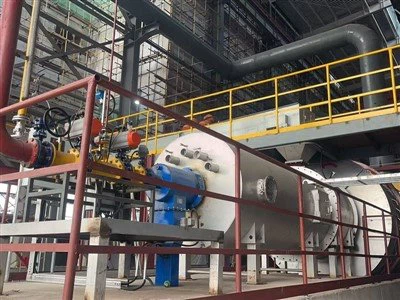
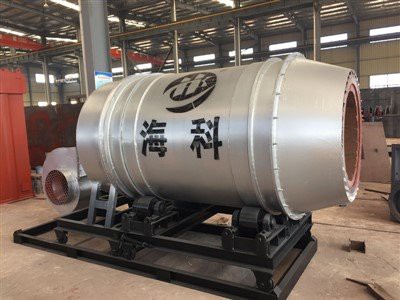
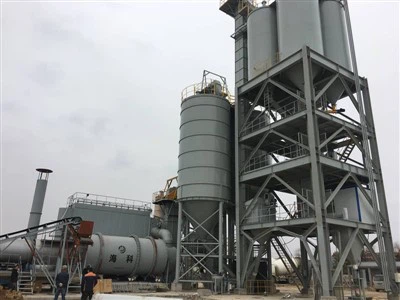
Calculating the savings of using a natural gas hot air furnace is a crucial step for both homeowners and businesses looking to manage their energy costs effectively. As a supplier of Natural Gas Hot Air Furnace, I understand the importance of providing accurate information to help customers make informed decisions. In this blog post, I will guide you through the process of calculating the savings associated with using a natural gas hot air furnace.
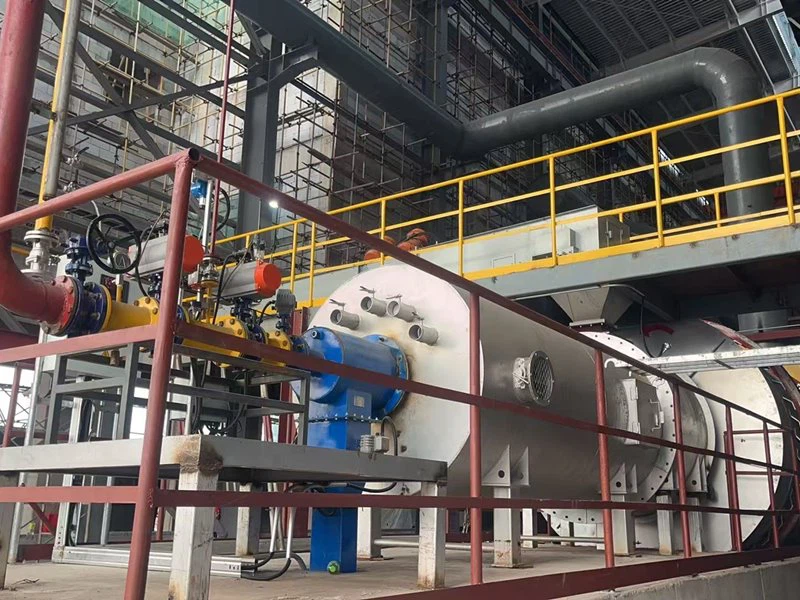
Understanding the Basics of Natural Gas Hot Air Furnaces
Before we dive into the savings calculation, it's essential to understand how natural gas hot air furnaces work. These furnaces burn natural gas to heat air, which is then distributed throughout a building via a duct system. Natural gas is a popular choice for heating because it is relatively inexpensive, efficient, and produces fewer emissions compared to other fossil fuels.
Factors Affecting Savings
Several factors influence the savings you can achieve by using a natural gas hot air furnace. These include:
- Energy Efficiency: The efficiency of a furnace is measured by its Annual Fuel Utilization Efficiency (AFUE) rating. A higher AFUE rating means the furnace converts more of the fuel it burns into heat, resulting in lower energy consumption and cost savings.
- Fuel Costs: The cost of natural gas can vary depending on your location, time of year, and market conditions. Comparing the cost of natural gas to other heating fuels, such as electricity or oil, is essential to determine the potential savings.
- Heating Load: The heating load of a building is the amount of heat required to maintain a comfortable temperature. Factors such as the size of the building, insulation, and climate affect the heating load. A furnace that is properly sized for the heating load will operate more efficiently and save energy.
- Usage Patterns: How often and for how long you use your furnace also impacts your savings. If you have a programmable thermostat, you can set it to lower the temperature when you're away or asleep, reducing energy consumption.
Calculating the Savings
To calculate the savings of using a natural gas hot air furnace, you need to compare the cost of heating with natural gas to the cost of heating with an alternative fuel. Here's a step-by-step guide:
- Determine the Heating Load: Calculate the heating load of your building using a heating load calculator or consult with a professional HVAC contractor. This will give you an estimate of the amount of heat required to maintain a comfortable temperature.
- Research Fuel Costs: Find out the current cost of natural gas and the alternative fuel you're considering. You can obtain this information from your utility company or online resources.
- Calculate the Energy Consumption: Divide the heating load by the AFUE rating of the furnace to determine the amount of energy required to heat your building. Multiply this by the cost of the fuel to calculate the annual heating cost.
- Compare the Costs: Subtract the annual heating cost of using natural gas from the annual heating cost of using the alternative fuel to determine the savings.
Example Calculation
Let's say you have a 2,000 square foot home with a heating load of 60,000 BTUs per hour. You're considering replacing your old electric furnace with a new natural gas hot air furnace with an AFUE rating of 90%. The cost of natural gas is $1.00 per therm, and the cost of electricity is $0.15 per kilowatt-hour.
- Determine the Energy Consumption:
- Divide the heating load by the AFUE rating: 60,000 BTUs / 0.9 = 66,667 BTUs per hour.
- Convert BTUs to therms: 66,667 BTUs / 100,000 BTUs per therm = 0.67 therms per hour.
- Calculate the annual energy consumption: 0.67 therms per hour x 24 hours per day x 180 days per year = 2,901.6 therms per year.
- Calculate the Annual Heating Cost:
- Multiply the annual energy consumption by the cost of natural gas: 2,901.6 therms per year x $1.00 per therm = $2,901.60 per year.
- Calculate the Annual Heating Cost of the Electric Furnace:
- Convert the heating load to kilowatts: 60,000 BTUs / 3,412 BTUs per kilowatt = 17.6 kilowatts.
- Calculate the annual energy consumption: 17.6 kilowatts x 24 hours per day x 180 days per year = 76,032 kilowatt-hours per year.
- Multiply the annual energy consumption by the cost of electricity: 76,032 kilowatt-hours per year x $0.15 per kilowatt-hour = $11,404.80 per year.
- Calculate the Savings:
- Subtract the annual heating cost of using natural gas from the annual heating cost of using the electric furnace: $11,404.80 - $2,901.60 = $8,503.20 per year.
In this example, you could save approximately $8,503.20 per year by switching from an electric furnace to a natural gas hot air furnace.
Additional Savings and Benefits
In addition to cost savings, using a natural gas hot air furnace offers several other benefits:
- Environmental Benefits: Natural gas is a cleaner-burning fuel compared to other fossil fuels, such as coal and oil. Using a natural gas hot air furnace can help reduce greenhouse gas emissions and improve air quality.
- Reliability: Natural gas is a reliable energy source that is not affected by power outages. This means you can stay warm even during severe weather conditions.
- Comfort: Natural gas hot air furnaces provide consistent and even heating, ensuring a comfortable indoor environment.
- Longevity: Natural gas hot air furnaces have a longer lifespan compared to other heating systems, which means you'll save money on replacement costs in the long run.
Conclusion
Calculating the savings of using a natural gas hot air furnace is an important step in making an informed decision about your heating system. By considering factors such as energy efficiency, fuel costs, heating load, and usage patterns, you can determine the potential savings and benefits of using a natural gas hot air furnace. As a supplier of Natural Gas Hot Air Furnace, I am committed to providing high-quality products and services to help you save energy and money. If you're interested in learning more about our natural gas hot air furnaces or have any questions, please contact us to discuss your specific needs and requirements. We look forward to working with you to find the best heating solution for your home or business.
References
- U.S. Department of Energy. (n.d.). Energy Efficiency Tips for Your Home. Retrieved from https://www.energy.gov/energysaver/energy-efficiency-tips-your-home
- Natural Gas Supply Association. (n.d.). Natural Gas 101. Retrieved from https://www.ngsa.org/natural-gas-101
- Air Conditioning, Heating, and Refrigeration Institute. (n.d.). Understanding AFUE. Retrieved from https://www.ahrinet.org/consumers/understanding-afue