Hey there! I'm a supplier of Dry Mortar Mixers, and today I wanna chat about a common question: Can a dry mortar mixer mix different types of mortar? Let's dig into this topic and see what's what.
First off, let's understand what dry mortar is. Dry mortar is a pre - mixed blend of cement, sand, and various additives. It comes in different types, each designed for specific applications. For example, there's masonry mortar, which is used for building brick and block walls. Then there's plastering mortar, used to create a smooth finish on walls and ceilings. And we also have tile adhesive mortar, which is crucial for sticking tiles to surfaces.
So, can a single dry mortar mixer handle all these different types? The short answer is yes, but there are some things to keep in mind.
How a Dry Mortar Mixer Works
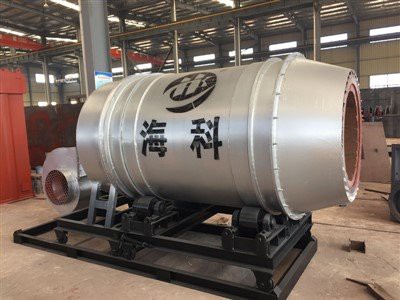
A dry mortar mixer is a machine that combines the dry ingredients of mortar to create a homogeneous mixture. It usually has a rotating drum or a set of blades that churn the materials together. The key to a good mix is ensuring that all the components are evenly distributed.
The mixer works by breaking up any clumps in the dry ingredients and ensuring that the additives are well - incorporated. This is important because even a small clump of cement can affect the performance of the mortar.
Mixing Different Types of Mortar
Masonry Mortar
Masonry mortar typically has a relatively high proportion of sand and a moderate amount of cement. When mixing masonry mortar in a dry mortar mixer, the mixer needs to be able to handle the large volume of sand. The blades or the drum should be powerful enough to move the sand around and ensure that the cement is evenly distributed.
Most modern dry mortar mixers are designed to handle the high - volume mixing required for masonry mortar. They can mix large batches efficiently, which is great for construction sites where a lot of mortar is needed.
Plastering Mortar
Plastering mortar is a bit different. It usually contains finer sand and more additives to give it a smooth and workable consistency. The mixer needs to be able to break down the additives and ensure that they are evenly spread throughout the mixture.
A good dry mortar mixer can handle the finer particles in plastering mortar. It can also adjust the mixing speed to create the right texture. For example, a slower mixing speed might be used to prevent the mortar from becoming too aerated, which could lead to a less - smooth finish.


Tile Adhesive Mortar
Tile adhesive mortar often has special additives that improve its bonding properties. These additives need to be thoroughly mixed with the cement and sand. The mixer should be able to handle the small amounts of these additives and ensure that they are evenly distributed.
Some dry mortar mixers come with features that are specifically designed for mixing tile adhesive mortar. For example, they might have a more precise dosing system for the additives, which helps to ensure the quality of the mix.
Advantages of Using a Single Dry Mortar Mixer for Different Types of Mortar
Cost - Effective
Buying a single dry mortar mixer that can handle different types of mortar is more cost - effective than buying multiple mixers for each type. It saves you money on equipment purchase and also on maintenance. You only need to maintain one machine, which reduces the overall cost of ownership.
Space - Saving
If you have a limited amount of space on your construction site or in your workshop, a single dry mortar mixer is a great option. It takes up less space compared to having multiple mixers, which can be a real advantage, especially in tight spaces.
Ease of Use
Once you're familiar with the operation of one dry mortar mixer, it's easier to use it for different types of mortar. You don't have to learn how to operate multiple machines, which can save you time and reduce the chance of errors.
Considerations When Mixing Different Types of Mortar
Cleaning
After mixing one type of mortar, it's important to clean the mixer thoroughly before mixing another type. This is to prevent cross - contamination, which can affect the quality of the next batch of mortar. For example, if you mix masonry mortar and then plastering mortar without cleaning the mixer, the coarse particles from the masonry mortar could end up in the plastering mortar, resulting in a less - smooth finish.
Mixing Time and Speed
Different types of mortar may require different mixing times and speeds. For example, tile adhesive mortar might need a longer mixing time to ensure that the additives are fully incorporated. You need to adjust the mixing parameters according to the type of mortar you're mixing.
Our Dry Mortar Mixer Solutions
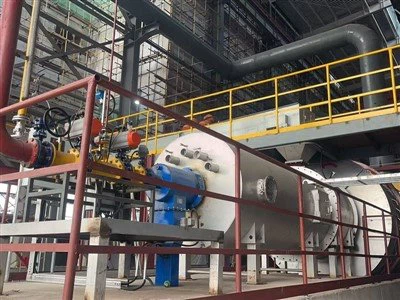
As a supplier, I can tell you that our Dry Mortar Mixer is designed to handle different types of mortar with ease. It has a powerful motor and well - designed blades that can mix large volumes of materials efficiently.
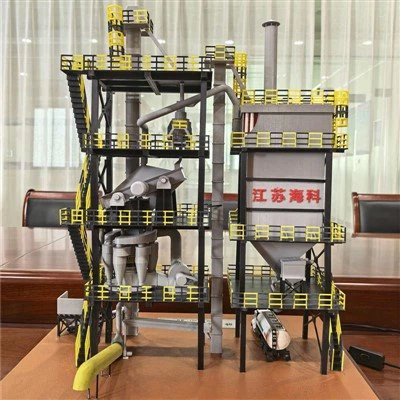
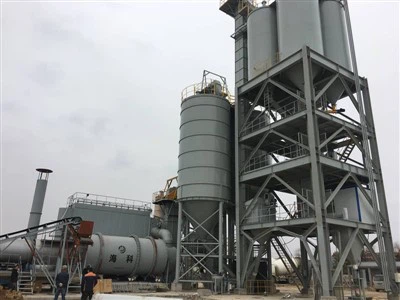
We also offer a Dry Mortar Mixing Plant that can be customized to meet your specific needs. This plant includes a dry mortar mixer as well as other components such as storage silos and dosing systems. It's a complete solution for producing different types of dry mortar.
And if you're interested in the sand - making process for dry mortar, we have a Dry Mortar Sand Making Line. This line can produce high - quality sand that is suitable for different types of mortar.
Conclusion
In conclusion, a dry mortar mixer can definitely mix different types of mortar. However, you need to pay attention to cleaning, mixing time, and speed to ensure the quality of the mix. Our products are designed to make this process as easy and efficient as possible.
If you're in the market for a dry mortar mixer or a complete dry mortar production solution, don't hesitate to reach out. We're here to help you choose the right equipment for your needs and answer any questions you might have. Let's start a conversation and see how we can work together to improve your mortar production.
References
- "Handbook of Mortar Technology" by John Smith
- "Construction Materials: Properties, Applications, and Performance" by Jane Doe