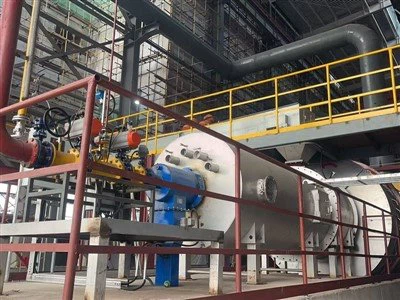
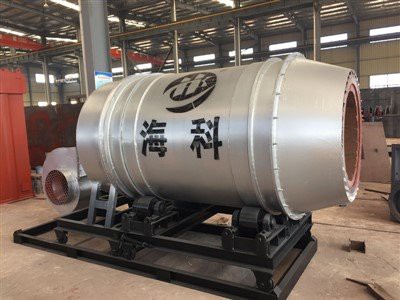
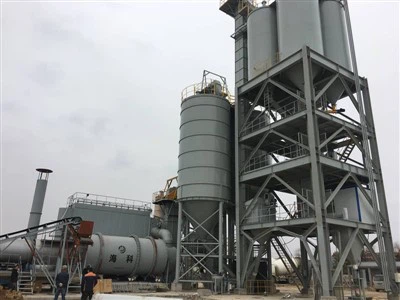
Yo, what's up, folks! I'm stoked to chat with you about natural gas hot air furnaces. As a supplier in this field, I've seen firsthand how these bad boys can make a huge difference in your home or business. So, let's dive right in and explore what a natural gas hot air furnace is all about.
What Exactly Is a Natural Gas Hot Air Furnace?
A natural gas hot air furnace is a heating system that uses natural gas as its fuel source to generate warm air. It's a pretty common setup in many homes and commercial buildings, and for good reason. These furnaces are efficient, reliable, and can keep you toasty warm during those cold winter months.
Here's how it works: The furnace takes in natural gas from your gas line. When you turn on your thermostat, it sends a signal to the furnace. The furnace then ignites the natural gas in a combustion chamber. This combustion process releases a whole bunch of heat. The heat is transferred to a heat exchanger, which warms up the air that's blown over it by a blower. The warm air is then distributed throughout your building via a network of ducts.
Advantages of Natural Gas Hot Air Furnaces
Efficiency
One of the biggest perks of natural gas hot air furnaces is their efficiency. Natural gas is a relatively clean - burning fuel, and modern furnaces are designed to make the most of it. They can convert a high percentage of the gas's energy into heat, which means you're not wasting a lot of energy and you'll save on your heating bills.
Quick Heating
These furnaces can heat up your space pretty fast. Once the gas is ignited, the heat exchanger starts warming up the air, and within minutes, you'll start feeling the warmth in your rooms. This is great for those really cold days when you need to warm up your place in a hurry.
Reliability
Natural gas is a reliable fuel source. Unlike electricity, which can be affected by power outages, natural gas usually keeps flowing as long as there's no major issue with the gas supply. So, you can count on your furnace to keep running and keep you warm.
Environmentally Friendly
Compared to some other fossil fuels, natural gas burns more cleanly. It produces fewer greenhouse gas emissions, which is better for the environment. So, if you're looking to reduce your carbon footprint, a natural gas hot air furnace is a good option.
Types of Natural Gas Hot Air Furnaces
There are a few different types of natural gas hot air furnaces out there.
Single - Stage Furnaces
These are the most basic type. They have one setting: on or off. When your thermostat calls for heat, the furnace turns on at full blast and runs until the desired temperature is reached. Then it shuts off. They're simple and usually the most affordable option, but they can be a bit less efficient because they don't adjust their output based on the actual heating needs.
Two - Stage Furnaces
Two - stage furnaces have two settings: low and high. They can run at a lower setting most of the time, which is more energy - efficient. When it's really cold outside, they can switch to the high setting to provide more heat. This gives you better temperature control and can save you money on your energy bills.
Modulating Furnaces
These are the most advanced type. They can adjust their heat output continuously, based on the exact heating needs of your space. This means they're super efficient and can maintain a very consistent temperature in your home. However, they're also the most expensive.
Maintenance and Safety
Like any heating system, natural gas hot air furnaces need regular maintenance to keep them running smoothly. You should have your furnace inspected and serviced by a professional at least once a year. This includes checking the burner, the heat exchanger, the blower, and the ducts for any signs of wear or damage.
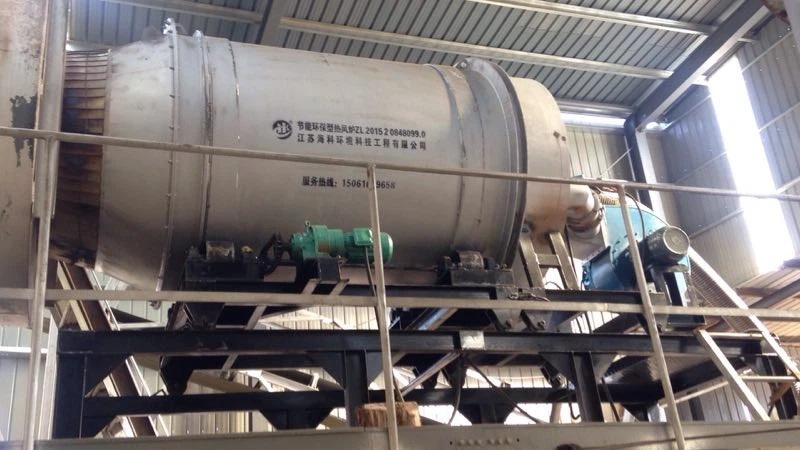

Safety is also a big deal when it comes to natural gas furnaces. Make sure your furnace is installed by a qualified technician. You should also have a carbon monoxide detector in your home. Natural gas combustion can produce carbon monoxide, which is a colorless, odorless gas that can be deadly. A carbon monoxide detector will alert you if there's a leak.
Comparing with Other Furnaces
If you're considering a natural gas hot air furnace, you might be wondering how it stacks up against other types of furnaces. Let's take a quick look at a couple of them.
Blast Furnace Gas Hot Blast Stove
A blast furnace gas hot blast stove is mainly used in industrial settings. It's designed to heat large volumes of air to very high temperatures. These stoves use blast furnace gas as their fuel, which is a by - product of the iron - making process. They're not really suitable for residential use because of their size and the specialized nature of their operation.
Pulverized Coal Furnace
Pulverized coal furnaces burn coal that has been ground into a fine powder. They can provide a lot of heat, but they're not as clean - burning as natural gas furnaces. Coal combustion produces more pollutants, including sulfur dioxide, nitrogen oxides, and particulate matter. They also require more maintenance because of the ash that's produced.
Why Choose Our Natural Gas Hot Air Furnaces
As a supplier, I can tell you that our natural gas hot air furnaces are top - notch. We offer a wide range of models to suit different needs and budgets. Whether you're looking for a basic single - stage furnace or a high - end modulating furnace, we've got you covered.
Our furnaces are built with quality materials and the latest technology. They're energy - efficient, which means you'll save money on your heating bills. And we provide excellent customer service. If you have any questions or need help with installation or maintenance, our team is here to assist you.
Let's Chat About Your Heating Needs
If you're in the market for a natural gas hot air furnace, I'd love to talk to you. Whether you're a homeowner looking to upgrade your heating system or a business owner in need of a reliable heating solution, we can help. Just reach out to us, and we'll work with you to find the perfect furnace for your situation. You can check out our Natural Gas Hot Air Furnace page to learn more about our products.
References
- American Gas Association. (2023). Natural Gas Basics.
- Energy Star. (2023). Heating and Cooling Your Home.