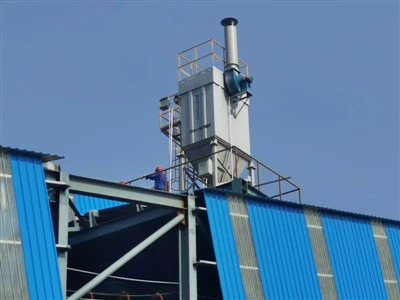
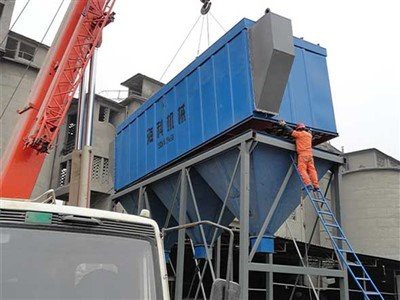
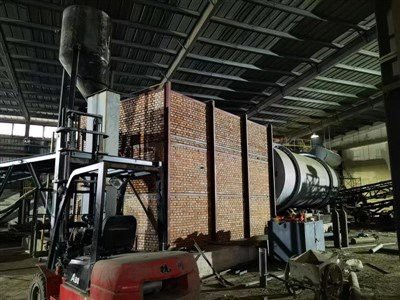
As a supplier of Standalone Dust Collectors, I've witnessed firsthand the critical role these machines play in maintaining clean and safe industrial environments. A standalone dust collector is a self - contained unit designed to capture and remove dust and particulate matter from the air. To ensure its optimal performance, several key material requirements must be met.
Structural Materials
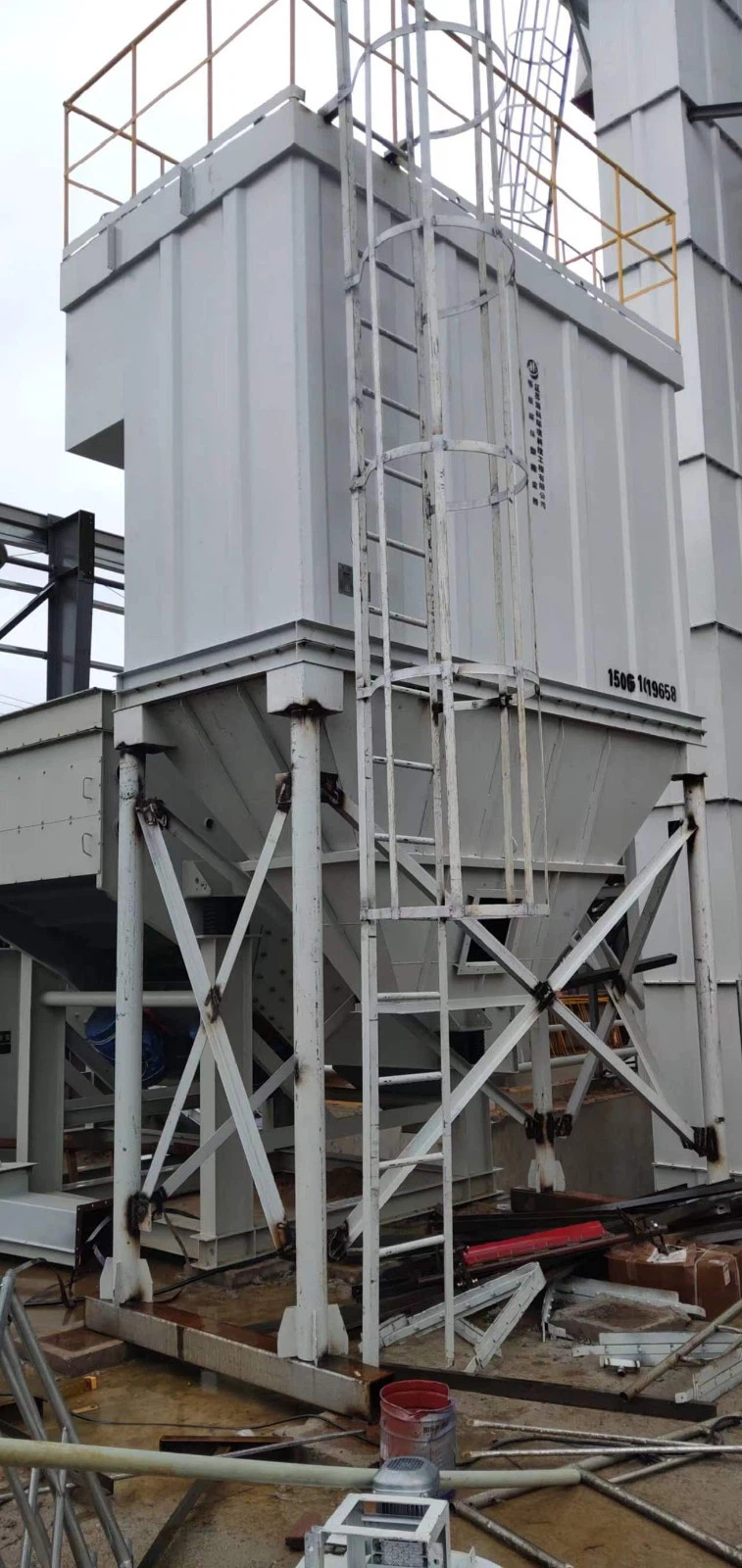
The frame of a standalone dust collector is the backbone of the entire system. It needs to be made of materials that can withstand the rigors of industrial use. Steel is the most common choice for the frame construction. High - strength carbon steel offers excellent durability and can support the weight of the dust collector components, including the filter bags, fans, and the collected dust. Stainless steel is also an option, especially in environments where corrosion is a concern, such as in chemical or food processing industries. The frame should be welded or bolted together securely to prevent any structural failures during operation.
The housing of the dust collector, which encloses the internal components, is typically made of sheet metal. Mild steel is a popular material due to its affordability and ease of fabrication. However, for applications where the dust is abrasive or corrosive, stainless steel or galvanized steel may be used. The housing should be thick enough to resist impacts and prevent dust leakage. A well - constructed housing also helps in reducing noise levels generated by the fan and the dust collection process.
Filter Materials
The filter is the heart of the standalone dust collector, and the choice of filter material is crucial for efficient dust collection. There are several types of filter materials available, each with its own advantages and limitations.
Fabric Filters
Fabric filters are widely used in standalone dust collectors. Polyester is a common fabric material due to its good mechanical strength, chemical resistance, and relatively low cost. It can handle a wide range of temperatures and is suitable for most general industrial applications. Nomex is another fabric option, which is known for its high - temperature resistance. It can withstand temperatures up to 204°C (400°F) and is often used in applications such as foundries and incinerators.
PTFE (Polytetrafluoroethylene) - coated fabric filters are also popular. The PTFE coating provides a smooth surface that makes it easier for dust to release from the filter, reducing the frequency of cleaning. These filters are highly efficient in capturing fine dust particles and are suitable for applications where high - efficiency filtration is required, such as in pharmaceutical or electronics manufacturing.
Cartridge Filters
Cartridge filters are an alternative to fabric filters. They are made of pleated media, which provides a large surface area for dust collection in a compact space. The media can be made of various materials, including cellulose, synthetic fibers, or a combination of both. Cartridge filters are known for their high - efficiency filtration and low - pressure drop, which helps in reducing energy consumption. They are often used in applications where space is limited or where a high - level of filtration is required, such as in woodworking or metalworking industries.
Sealing Materials
Proper sealing is essential to prevent dust leakage from the dust collector. Gaskets and seals are used at various joints and connections in the dust collector. Silicone rubber gaskets are commonly used due to their excellent heat resistance and flexibility. They can withstand a wide range of temperatures and provide a tight seal to prevent dust from escaping.
Neoprene gaskets are another option, especially in applications where oil or chemical resistance is required. They are also known for their good weather resistance and can be used in outdoor applications. The seals should be properly installed and maintained to ensure their effectiveness over time.
Fan Materials
The fan is responsible for creating the airflow necessary to draw dust - laden air into the dust collector. The impeller of the fan is typically made of cast iron or aluminum. Cast iron impellers are known for their high strength and durability. They can handle high - volume airflows and are suitable for heavy - duty applications. Aluminum impellers are lighter in weight, which reduces the energy consumption of the fan. They are also corrosion - resistant, making them suitable for applications where the air contains corrosive elements.
The fan housing is usually made of sheet metal, similar to the dust collector housing. It should be designed to minimize air turbulence and maximize the efficiency of the fan. The material of the fan housing should be able to withstand the forces generated by the high - speed airflow and should be properly sealed to prevent air leakage.

Control Panel Materials
The control panel is used to operate and monitor the standalone dust collector. It typically contains electrical components such as switches, relays, and sensors. The enclosure of the control panel is usually made of steel or plastic. Steel enclosures provide better protection against physical damage and electromagnetic interference. They are suitable for industrial environments where the control panel may be exposed to harsh conditions.
Plastic enclosures are lighter in weight and are often used in applications where cost is a major concern. They are also resistant to corrosion and can be easily customized. The control panel should be designed to be user - friendly and should provide clear indicators and controls for the operation of the dust collector.
Importance of Material Quality
Using high - quality materials in the construction of a standalone dust collector is essential for its long - term performance and reliability. Inferior materials can lead to premature wear and tear, reduced efficiency, and increased maintenance costs. For example, if the filter material is of poor quality, it may not be able to capture all the dust particles, leading to increased emissions and potential health hazards. Similarly, if the frame or housing is made of low - quality materials, it may not be able to withstand the stresses of operation, resulting in structural failures.
Conclusion
In conclusion, a standalone dust collector requires a careful selection of materials for its various components. From the structural frame to the filter media, each material plays a crucial role in the overall performance of the dust collector. As a supplier, we understand the importance of using high - quality materials to ensure that our standalone dust collectors meet the highest standards of efficiency and reliability.
If you are in the market for a standalone dust collector, we invite you to explore our product range. You can learn more about our Standalone Dust Collector on our website. We also offer other types of dust collectors, such as the Air - Box Pulse Bag Filter and the Decentralized Dust Collector. Our team of experts is ready to assist you in choosing the right dust collector for your specific needs. Contact us to start a procurement discussion and find the best solution for your dust collection requirements.
References
- "Industrial Dust Collection Handbook" by John Doe
- "Principles of Air Pollution Control" by Jane Smith