As a supplier of hot air furnaces, I've witnessed firsthand the significant impact that humidity levels can have on the performance and efficiency of these essential heating systems. In this blog post, I'll delve into the science behind how humidity affects hot air furnaces, exploring the various ways in which moisture in the air can influence their operation, efficiency, and longevity.
The Basics of Hot Air Furnaces
Before we dive into the effects of humidity, let's first understand how hot air furnaces work. A hot air furnace is a heating system that uses a fuel source, such as natural gas, oil, or electricity, to heat air. The heated air is then circulated throughout a building via a ductwork system, providing warmth and comfort to the occupants.
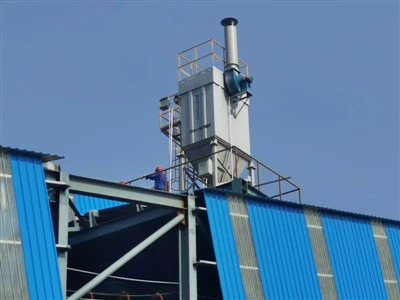
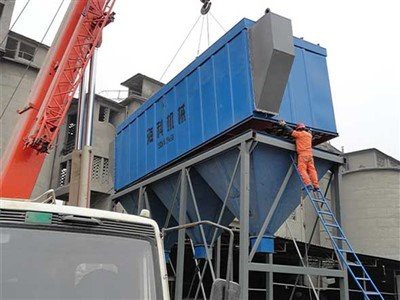
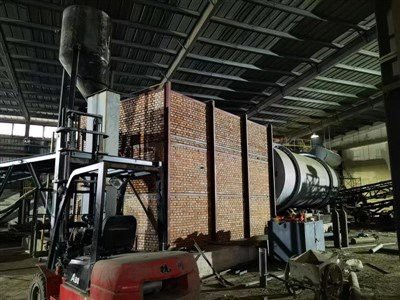
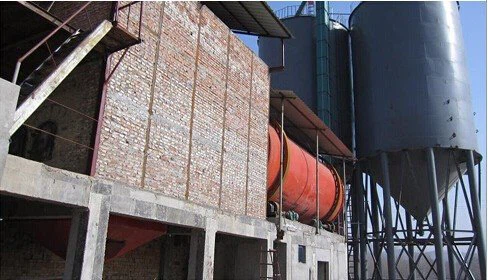
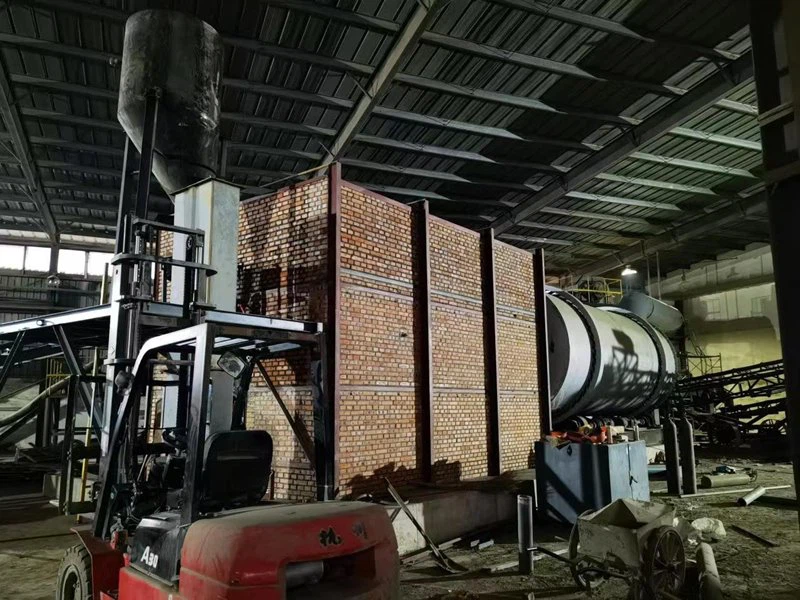
Hot air furnaces come in various types and sizes, each designed to meet specific heating needs. Some common types of hot air furnaces include Natural Gas Hot Air Furnace, Biomass Pellet Furnace, and Fluidized Bed Furnace. These furnaces offer different levels of efficiency, performance, and environmental impact, allowing customers to choose the option that best suits their requirements.
How Humidity Affects Hot Air Furnaces
Humidity, or the amount of moisture in the air, can have a profound impact on the performance and efficiency of hot air furnaces. Here are some of the key ways in which humidity affects these heating systems:
1. Efficiency
Humidity can significantly affect the efficiency of a hot air furnace. When the air is humid, it contains more moisture, which requires more energy to heat. This means that a furnace operating in a humid environment will need to work harder and consume more fuel to achieve the same level of heating as it would in a dry environment.
In addition, high humidity levels can cause the air to feel warmer than it actually is, leading to a false sense of comfort. As a result, homeowners may set their thermostats lower than necessary, causing the furnace to run longer and consume more energy.
2. Comfort
Humidity also plays a crucial role in the comfort level of a home. When the air is too dry, it can cause a range of problems, including dry skin, irritated eyes, and respiratory issues. On the other hand, when the air is too humid, it can feel sticky and uncomfortable, making it difficult to sleep and relax.
A hot air furnace can help to regulate the humidity level in a home by adding or removing moisture from the air. However, if the humidity level is too high or too low, the furnace may not be able to maintain a comfortable environment, leading to discomfort and health issues for the occupants.
3. Maintenance
High humidity levels can also have a negative impact on the maintenance and longevity of a hot air furnace. When the air is humid, it can cause condensation to form inside the furnace, which can lead to rust and corrosion. This can damage the furnace's components and reduce its efficiency, ultimately leading to costly repairs or premature replacement.
In addition, high humidity levels can promote the growth of mold and bacteria inside the furnace, which can pose a health risk to the occupants. Regular maintenance and cleaning of the furnace can help to prevent these issues, but it's important to address high humidity levels to ensure the long-term performance and reliability of the system.
4. Air Quality
Humidity can also affect the air quality in a home. When the air is too dry, it can cause dust and other particles to become airborne, which can trigger allergies and respiratory problems. On the other hand, when the air is too humid, it can promote the growth of mold and bacteria, which can also cause health issues.
A hot air furnace can help to improve the air quality in a home by filtering out dust and other particles from the air. However, if the humidity level is too high or too low, the furnace may not be able to effectively remove these contaminants, leading to poor air quality and health problems for the occupants.
Managing Humidity Levels in a Home
To ensure the optimal performance and efficiency of a hot air furnace, it's important to manage the humidity level in a home. Here are some tips for managing humidity levels:
1. Use a Humidifier or Dehumidifier
A humidifier can be used to add moisture to the air when it's too dry, while a dehumidifier can be used to remove moisture from the air when it's too humid. These devices can help to maintain a comfortable humidity level in a home, improving the efficiency and performance of the hot air furnace.
2. Ventilate Your Home
Proper ventilation is essential for managing humidity levels in a home. Opening windows and doors, using exhaust fans in the kitchen and bathroom, and installing a whole-house ventilation system can help to remove excess moisture from the air and improve air quality.
3. Seal Air Leaks
Air leaks can allow moisture to enter a home, leading to high humidity levels. Sealing air leaks around windows, doors, and other openings can help to prevent moisture from entering the home and improve the efficiency of the hot air furnace.
4. Maintain Your Furnace
Regular maintenance of your hot air furnace is essential for ensuring its optimal performance and efficiency. This includes cleaning or replacing the air filter, checking the furnace's components for damage or wear, and scheduling annual maintenance with a qualified HVAC technician.
Conclusion
As a supplier of hot air furnaces, I understand the importance of managing humidity levels to ensure the optimal performance and efficiency of these heating systems. By understanding how humidity affects hot air furnaces and taking steps to manage humidity levels in a home, homeowners can improve the comfort, efficiency, and longevity of their heating systems.
If you're in the market for a hot air furnace, I encourage you to contact us to discuss your options. Our team of experts can help you choose the right furnace for your needs and provide you with the support and guidance you need to ensure its optimal performance and efficiency.
References
- "The Effects of Humidity on HVAC Systems." Energy Star.
- "How Humidity Affects Your Furnace." HVAC.com.
- "Managing Humidity in Your Home." American Lung Association.