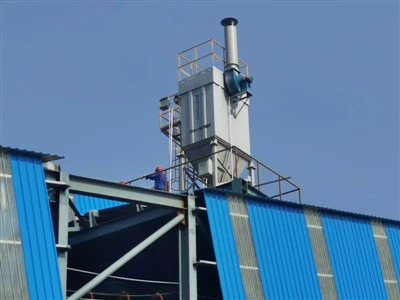
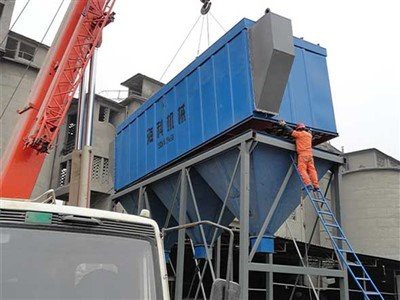
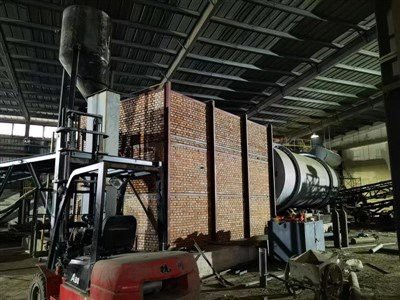
Hey there! As a supplier of V-Type Air Classifiers, I've seen firsthand how wear and tear can take a toll on these machines. In this blog post, I'm going to share some tips on how to protect the parts of a V-Type Air Classifier from wear.
Understanding the V-Type Air Classifier
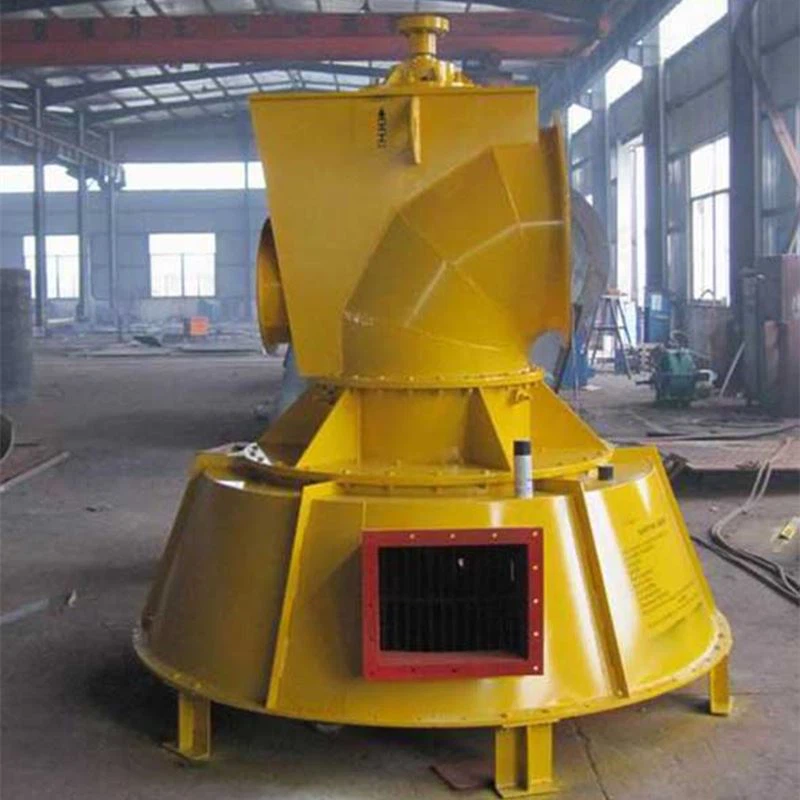
Before we dive into the protection methods, let's quickly go over what a V-Type Air Classifier is. It's a key piece of equipment used in various industries for separating particles based on their size and density. You can learn more about it V-Type Air Classifier.
The V-Type Air Classifier works by using an air stream to carry particles through a classification chamber. Larger and heavier particles fall out of the air stream due to gravity, while smaller and lighter particles are carried out with the air flow. This process is crucial for achieving the desired particle size distribution in many industrial applications.
Common Wear Points in a V-Type Air Classifier
- Inlet and Outlet Ducts: These are the areas where the material enters and exits the classifier. The constant flow of abrasive particles can cause significant wear on the duct walls.
- Classification Chamber: The interior of the classification chamber is exposed to high - velocity air and abrasive particles. This can lead to erosion of the chamber walls over time.
- Blades and Rotors: The blades and rotors are responsible for creating the air flow and classifying the particles. They are subject to both abrasion and impact wear as they come into contact with the particles.
Protective Measures
Material Selection
- High - Wear - Resistant Materials: When manufacturing or replacing parts of the V - Type Air Classifier, choose materials with high wear resistance. For example, using stainless steel or alloy steels can significantly increase the lifespan of the parts. These materials are more resistant to abrasion and corrosion, which are common causes of wear in air classifiers.
- Ceramic Linings: In areas where the wear is particularly severe, such as the inlet and outlet ducts, ceramic linings can be installed. Ceramics are extremely hard and have excellent wear - resistant properties. They can protect the underlying metal parts from direct contact with the abrasive particles.
Maintenance and Inspection
- Regular Cleaning: Keeping the classifier clean is essential for preventing wear. Dust and debris can accumulate inside the classifier, increasing the friction between the parts and accelerating wear. Regularly clean the inlet and outlet ducts, the classification chamber, and the blades.
- Inspection Schedule: Set up a regular inspection schedule to check for signs of wear. Look for cracks, erosion, and any other damage to the parts. Early detection of wear can allow for timely repairs or replacements, preventing more serious problems down the line.
Operational Adjustments
- Proper Airflow Control: Maintaining the correct airflow is crucial for reducing wear. If the airflow is too high, it can cause excessive erosion of the parts. On the other hand, if the airflow is too low, the classification efficiency will be reduced. Adjust the airflow according to the manufacturer's recommendations and the specific requirements of your application.
- Feed Rate Control: Controlling the feed rate of the material into the classifier is also important. A high feed rate can overload the classifier and cause increased wear on the parts. Make sure to feed the material at a consistent and appropriate rate.
Special Considerations for Different Applications
- Coal Mill Dynamic Air Classifier: In coal processing, the V - Type Air Classifier is often used as a Coal Mill Dynamic Air Classifier. Coal particles are abrasive, so extra protection measures may be required. Using wear - resistant coatings on the parts and ensuring proper dust collection can help reduce wear.
- Fly Ash Air Classifier: When classifying fly ash, the classifier is exposed to fine particles that can cause wear through abrasion. Similar to coal processing, using high - wear - resistant materials and maintaining proper airflow can help protect the parts. You can find more information about Fly Ash Air Classifier.
Conclusion
Protecting the parts of a V - Type Air Classifier from wear is essential for ensuring its long - term performance and efficiency. By choosing the right materials, implementing regular maintenance and inspection, and making appropriate operational adjustments, you can significantly extend the lifespan of the classifier.
If you're in the market for a V - Type Air Classifier or need more information on how to protect your existing classifier, don't hesitate to reach out. We're here to help you make the most of your equipment and ensure its optimal performance.
References
- Manufacturer's manuals for V - Type Air Classifiers
- Industry research on wear prevention in air classification equipment