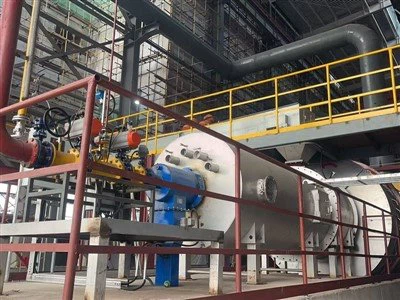
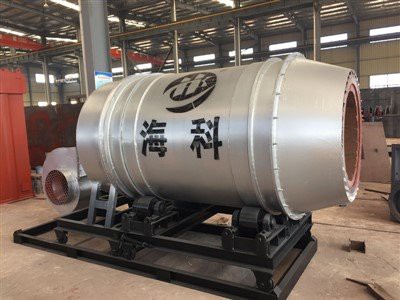
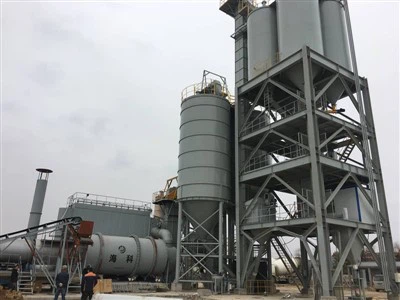
Air classifiers are essential equipment in various industries, including mining, cement, and powder processing. They work on the principle of separating particles based on their size, shape, and density using air as the medium. One of the key aspects of air classifiers is the air distribution within the system, which significantly impacts the classification efficiency and the quality of the final product.
Understanding Air Distribution in Air Classifiers
Air distribution in air classifiers refers to how air is introduced, circulated, and used to separate particles. The proper distribution of air is crucial for achieving accurate and efficient particle separation. When air is introduced into the classifier, it creates a fluidized environment where particles are suspended and subjected to different forces.
The air flow pattern within the classifier determines how particles are carried and separated. In a well - designed air classifier, the air is distributed in such a way that it can effectively carry the fine particles while allowing the coarse particles to fall out of the air stream. This is typically achieved through a combination of inlet design, internal baffles, and the shape of the classifier chamber.
Factors Affecting Air Distribution
Several factors influence the air distribution in air classifiers. Firstly, the inlet design plays a vital role. The way air enters the classifier can determine the initial flow pattern. A well - designed inlet can ensure a uniform distribution of air across the cross - section of the classifier, which is essential for consistent particle separation.
Secondly, the internal structure of the classifier, such as the presence of baffles or vanes, can redirect the air flow. These internal components help to create a more controlled and stable air flow, which in turn improves the separation efficiency. For example, baffles can be used to create eddies or vortices that enhance the interaction between the air and the particles.
The shape and size of the classifier chamber also affect air distribution. A properly shaped chamber can promote a smooth and even air flow, while an irregularly shaped chamber may cause uneven air distribution and lead to inefficient particle separation.
Importance of Proper Air Distribution
Proper air distribution is essential for several reasons. Firstly, it directly affects the classification accuracy. When air is evenly distributed, particles are more likely to be separated according to their size and density. This results in a more precise separation of fine and coarse particles, which is crucial for industries that require high - quality products.
Secondly, proper air distribution can improve the efficiency of the classifier. A well - distributed air flow reduces the energy consumption of the system. When air is used more effectively, less energy is wasted in moving the air and separating the particles. This not only reduces operating costs but also makes the classifier more environmentally friendly.
In addition, proper air distribution can extend the lifespan of the classifier. When air is evenly distributed, there is less wear and tear on the internal components of the classifier. This reduces the frequency of maintenance and replacement, which in turn saves time and money.
Air Distribution in Different Types of Air Classifiers
Fly Ash Air Classifier
In a Fly Ash Air Classifier, air distribution is particularly important due to the fine and light nature of fly ash particles. The air is typically introduced at the bottom of the classifier and rises through the chamber, carrying the fine fly ash particles upwards while the coarser particles fall to the bottom. A well - distributed air flow ensures that the fine particles are effectively separated from the coarse ones, resulting in a high - quality fly ash product that can be used in various applications such as concrete production.
Sand and Gravel Classifier
For a Sand and Gravel Classifier, the air distribution needs to be adjusted to handle the larger and heavier particles. The air flow is designed to lift the smaller sand particles while allowing the gravel to remain at the bottom. The inlet and internal baffles are configured to create a strong and stable air flow that can effectively separate the different sizes of particles. This ensures that the sand and gravel are classified accurately, which is important for construction and other industries that rely on these materials.
Composite Air Classifier
A Composite Air Classifier is used to separate composite materials, which may have a wide range of particle sizes and densities. The air distribution in this type of classifier needs to be carefully optimized to achieve a high - quality separation. The air is introduced in a way that can handle the complex mixture of particles, and the internal structure of the classifier is designed to create a multi - stage separation process. This allows for a more precise separation of different components in the composite material.
Improving Air Distribution in Air Classifiers
To improve air distribution in air classifiers, several strategies can be employed. Firstly, computational fluid dynamics (CFD) simulations can be used to analyze the air flow patterns within the classifier. These simulations can help to identify areas of poor air distribution and suggest modifications to the design.

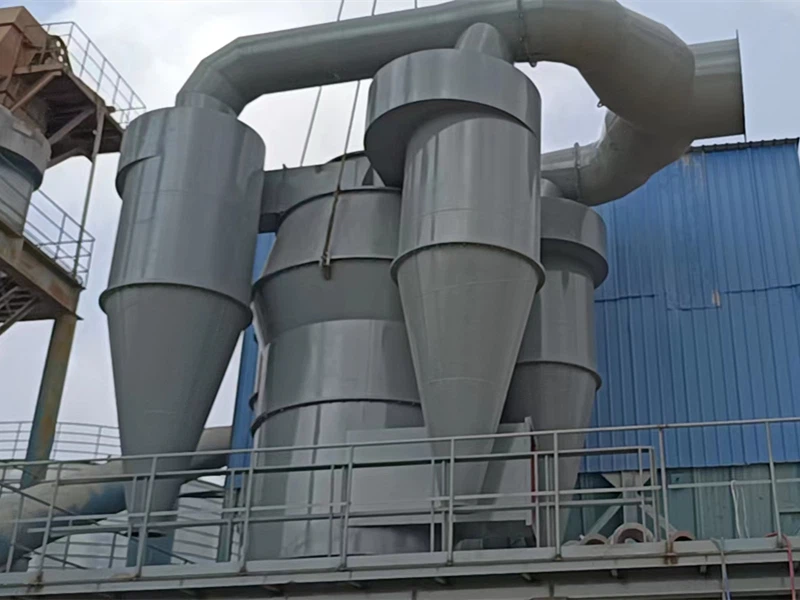
Secondly, regular maintenance and cleaning of the classifier are essential. Over time, dust and debris can accumulate in the classifier, which can disrupt the air flow. By keeping the classifier clean, the air can flow more freely and evenly.
Finally, the use of adjustable air inlets and baffles can provide more flexibility in controlling the air distribution. These components can be adjusted based on the specific requirements of the material being classified, allowing for a more customized and efficient separation process.
Conclusion
Air distribution is a critical aspect of air classifiers. It significantly affects the classification accuracy, efficiency, and lifespan of the equipment. By understanding the factors that influence air distribution and implementing strategies to improve it, air classifier users can achieve better results in particle separation. Whether it is a Fly Ash Air Classifier, Sand and Gravel Classifier, or Composite Air Classifier, proper air distribution is key to producing high - quality products.
If you are in the market for an air classifier or looking to improve the performance of your existing equipment, we are here to help. Our team of experts can provide you with the best solutions tailored to your specific needs. Contact us to start a discussion about your air classifier requirements and explore how we can assist you in achieving optimal air distribution and classification results.
References
- Perry, R. H., & Green, D. W. (Eds.). (2008). Perry's Chemical Engineers' Handbook. McGraw - Hill.
- Svarovsky, L. (2000). Solid - Liquid Separation. Butterworth - Heinemann.