Can a table top conveyor belt be used for heavy - duty applications?
Hey there! I'm a supplier of table top conveyor belts, and I often get asked if these conveyor belts can handle heavy - duty applications. Well, let's dive right into this topic.
First off, what exactly are table top conveyor belts? They're those flat, continuous belts that run on a table - like structure. They're commonly used in various industries for moving products from one point to another. They're known for their smooth operation, flexibility, and ease of maintenance.
Now, when we talk about heavy - duty applications, we're thinking about moving large, heavy items, like big machinery parts, large crates, or even heavy industrial products. The question is, can a table top conveyor belt cut it in these tough situations?
The answer isn't a simple yes or no. It depends on a few factors. One of the key factors is the construction of the conveyor belt. High - quality table top conveyor belts are made from strong materials. For example, some are made of durable plastics or metals that can withstand a significant amount of weight. If the belt is reinforced and has a sturdy design, it has a better chance of handling heavy - duty tasks.
Another important factor is the load capacity. Each table top conveyor belt has a specified load capacity. This is the maximum weight it can carry without getting damaged. If you're dealing with heavy - duty applications, you need to make sure that the load you're putting on the conveyor belt is within its capacity. If you overload the belt, it can lead to premature wear and tear, and even breakdowns.
The speed of the conveyor belt also plays a role. In heavy - duty applications, you might not need the belt to move at high speeds. Slower speeds can sometimes be better as they put less stress on the belt and the items being transported. This allows the belt to handle the heavy load more effectively.
Let's take a look at some real - world examples. In a manufacturing plant that produces large automotive parts, a table top conveyor belt can be used to move these heavy parts from one workstation to another. As long as the belt is properly sized and constructed, it can handle the weight of the parts. Similarly, in a warehouse where large crates are being moved around, a well - designed table top conveyor belt can be a great solution.
However, there are some limitations. If the items are extremely heavy or have an irregular shape, a table top conveyor belt might not be the best option. For very heavy items, you might need a more specialized conveyor system, like a chain conveyor or a roller conveyor.
Now, let's talk about some of the benefits of using a table top conveyor belt in heavy - duty applications. One of the big advantages is its versatility. You can customize the belt to fit your specific needs. You can add different types of attachments, like side guides or cleats, to help keep the heavy items in place.
Another benefit is the ease of cleaning. In heavy - duty applications, there can be a lot of dirt and debris. Table top conveyor belts are relatively easy to clean, which helps to maintain their performance over time.
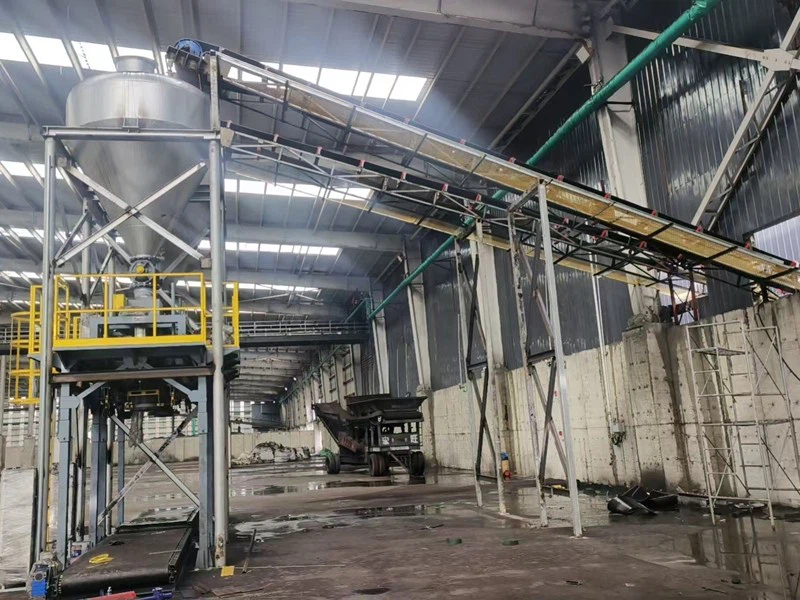
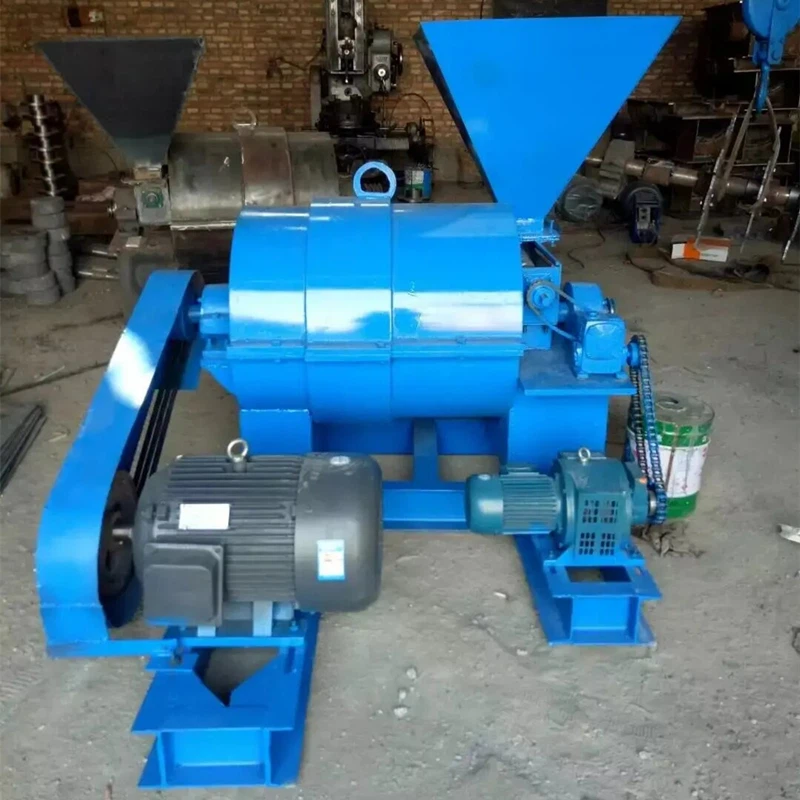
If you're in the market for a conveyor belt for heavy - duty applications, there are some other products that might be of interest to you. Check out our Automatic Ton - Bag Packaging System, which can be a great addition to your heavy - duty operation. Also, our Screw Elevator Conveyor and Pulverized Coal Injection Machine are worth looking into.
In conclusion, a table top conveyor belt can be used for heavy - duty applications, but it's important to consider the construction, load capacity, and speed. If you're thinking about using one for your heavy - duty needs, we're here to help. We can provide you with the right conveyor belt and offer advice on how to make it work best for your situation. If you're interested in learning more or making a purchase, don't hesitate to reach out. We're ready to have a chat and discuss your requirements.
References:
- General knowledge about conveyor belts from industry experience.
- Research on conveyor belt materials and load - bearing capacities.