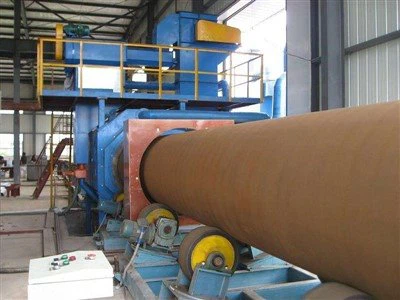
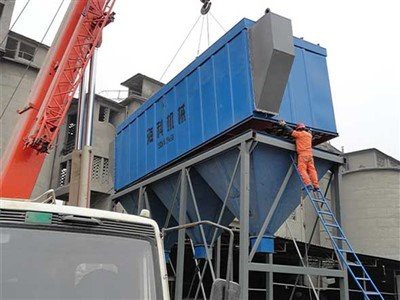
Can a Coal Mill Dynamic Air Classifier be retrofitted to an existing coal mill?
In the realm of power generation and industrial processes, coal mills play a pivotal role in pulverizing coal to a suitable fineness for efficient combustion. A Coal Mill Dynamic Air Classifier is a crucial component that significantly influences the performance of coal mills. The question of whether it can be retrofitted to an existing coal mill is one that many plant operators and engineers grapple with. As a leading supplier of Coal Mill Dynamic Air Classifier, I am well - versed in the technical and practical aspects of this matter.
Understanding the Coal Mill Dynamic Air Classifier
A Coal Mill Dynamic Air Classifier is designed to separate coal particles based on their size. It works by creating a swirling air flow within the classifier. Coarse particles are thrown outwards by centrifugal force and are returned to the mill for further grinding, while fine particles are carried by the air flow and exit the classifier to be used in the combustion process. This ensures that only coal particles of the desired fineness are fed into the burners, leading to more efficient combustion, reduced emissions, and improved overall plant performance.
Reasons for Retrofitting
There are several compelling reasons why a plant operator might consider retrofitting an existing coal mill with a dynamic air classifier. Firstly, older coal mills may not have the same level of efficiency as modern ones. By installing a dynamic air classifier, the fineness of the coal particles can be better controlled, leading to more complete combustion. This results in increased boiler efficiency, which in turn reduces coal consumption and operating costs.
Secondly, environmental regulations are becoming increasingly strict. A well - functioning dynamic air classifier can help reduce emissions of pollutants such as particulate matter, nitrogen oxides, and sulfur dioxide. By ensuring that only fine coal particles are burned, the combustion process is more efficient, and fewer pollutants are produced.
Thirdly, the quality of coal can vary significantly. A dynamic air classifier can adapt to different coal qualities by adjusting the fineness of the coal particles. This flexibility allows the coal mill to operate effectively with a wider range of coal sources, providing more options for plant operators.
Feasibility of Retrofitting
The feasibility of retrofitting a coal mill with a dynamic air classifier depends on several factors. One of the most important factors is the physical space available in the mill area. The classifier needs to be installed in a location where it can be integrated with the existing mill without causing major disruptions to the overall layout. In some cases, minor modifications to the mill structure may be required to accommodate the new classifier.
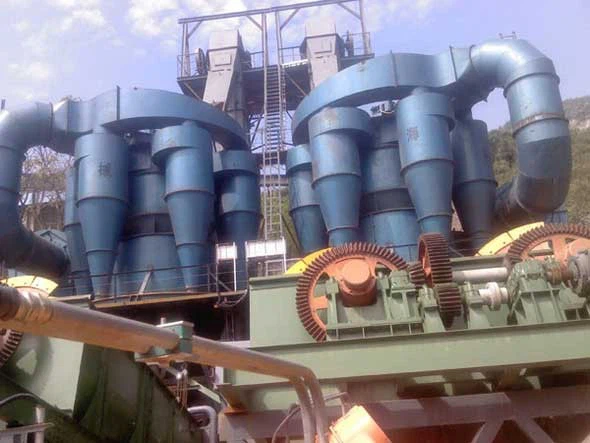
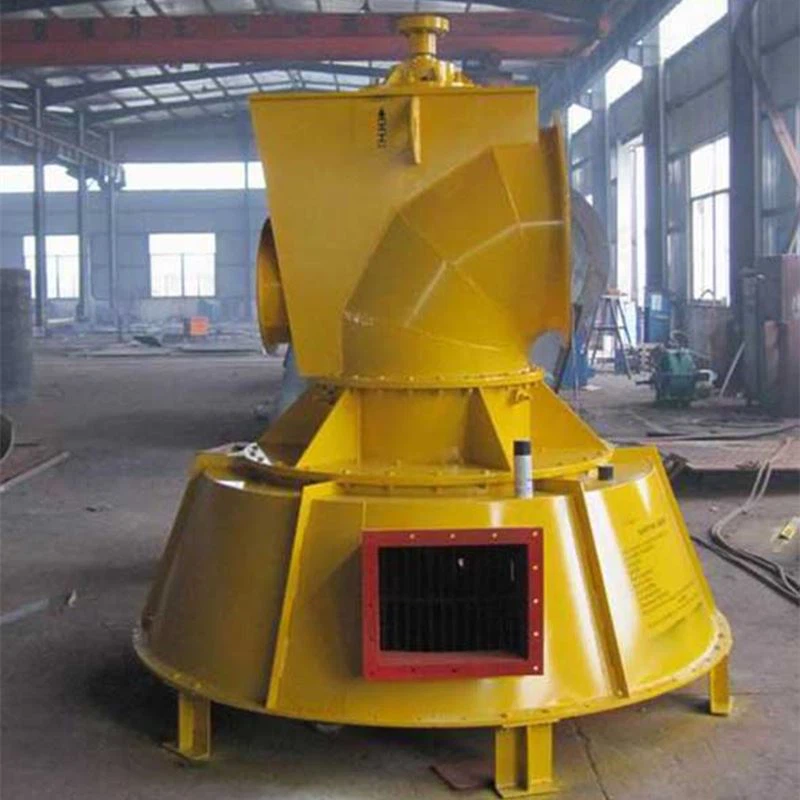
Another factor is the compatibility of the classifier with the existing mill. The classifier needs to be able to work in harmony with the mill's grinding mechanism, air flow system, and control system. This requires a detailed analysis of the existing mill's specifications and performance characteristics. Our team of experts can conduct a comprehensive assessment of your existing coal mill to determine the feasibility of retrofitting a dynamic air classifier.
The Retrofitting Process
The retrofitting process typically involves several steps. First, a detailed site survey is conducted to assess the physical layout of the coal mill and identify any potential obstacles. This includes measuring the available space, checking the structural integrity of the mill, and evaluating the existing air flow system.
Next, the appropriate dynamic air classifier is selected based on the specific requirements of the coal mill. Our company offers a range of Coal Mill Dynamic Air Classifiers with different capacities and performance characteristics to suit various applications.
Once the classifier is selected, the installation process begins. This involves mounting the classifier in the appropriate location, connecting it to the existing mill's air flow system, and integrating it with the control system. Our experienced technicians ensure that the installation is carried out safely and efficiently, minimizing downtime for the coal mill.
After the installation is complete, a series of tests are conducted to ensure that the classifier is operating correctly. These tests include measuring the fineness of the coal particles, checking the air flow rate, and evaluating the overall performance of the coal mill. Any necessary adjustments are made to optimize the performance of the classifier and the coal mill.
Benefits of Retrofitting
Retrofitting an existing coal mill with a dynamic air classifier offers numerous benefits. In addition to the improved combustion efficiency and reduced emissions mentioned earlier, it can also lead to longer equipment life. By ensuring that only fine coal particles are fed into the burners, the wear and tear on the burner nozzles and other components are reduced.
Moreover, the flexibility provided by the dynamic air classifier allows for better control of the coal mill's operation. Plant operators can adjust the fineness of the coal particles based on the specific requirements of the boiler, leading to more stable and efficient operation.
Other Air Classifier Options
In addition to Coal Mill Dynamic Air Classifiers, we also offer Fly Ash Air Classifier and Sand and Gravel Classifier. These classifiers are designed for specific applications and can provide similar benefits in terms of improved efficiency and product quality.
Conclusion
In conclusion, retrofitting an existing coal mill with a dynamic air classifier is a viable option for many plant operators. It offers significant benefits in terms of improved combustion efficiency, reduced emissions, and increased flexibility. As a leading supplier of Coal Mill Dynamic Air Classifiers, we have the expertise and experience to help you determine the feasibility of retrofitting and carry out the installation process smoothly.
If you are interested in learning more about our products and services or would like to discuss the possibility of retrofitting your existing coal mill, please feel free to contact us. Our team of experts is ready to assist you in making the right decision for your plant.
References
- Smith, J. (2018). "Advances in Coal Mill Technology". Journal of Power Generation, 25(3), 123 - 135.
- Johnson, R. (2019). "The Role of Air Classifiers in Coal Combustion". Industrial Engineering Review, 40(2), 78 - 85.
- Brown, A. (2020). "Retrofitting Coal Mills for Improved Efficiency". Energy Management Journal, 32(4), 210 - 221.