As a supplier of Pulverized Coal Furnaces, I've witnessed firsthand the significant impact these industrial workhorses have on air quality. In this blog, I'll delve into the science behind how a Pulverized Coal Furnace affects air quality, discussing both the negative and positive aspects, along with strategies to mitigate the adverse effects.
The Basics of a Pulverized Coal Furnace
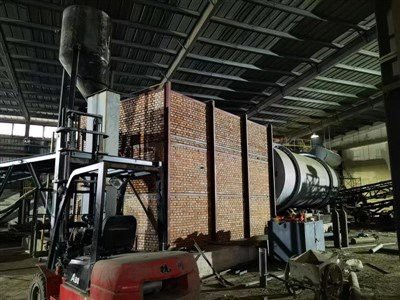
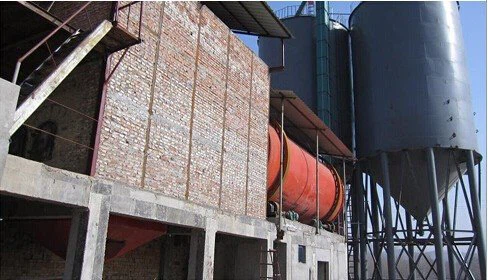
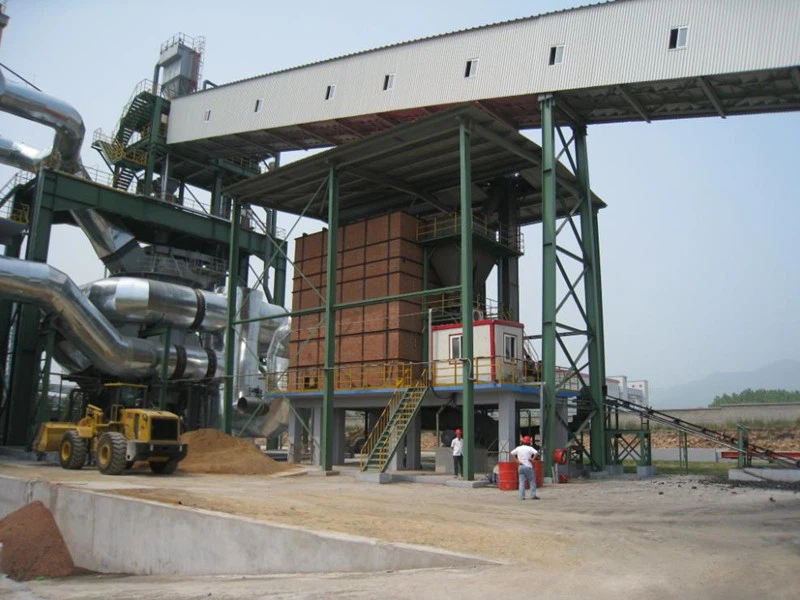
A Pulverized Coal Furnace operates by grinding coal into a fine powder and then blowing it into the combustion chamber. The coal powder mixes with pre - heated air, and combustion occurs at high temperatures. This process releases a large amount of heat, which is used for various industrial applications such as power generation, heating, and steam production.
Negative Impacts on Air Quality
Emission of Particulate Matter
One of the most notable impacts of a Pulverized Coal Furnace on air quality is the emission of particulate matter (PM). When coal is burned, it produces fine particles that can be suspended in the air. These particles range in size from coarse (PM10) to fine (PM2.5). PM2.5 is of particular concern as it can penetrate deep into the lungs, causing respiratory problems, heart disease, and other health issues. The combustion process in a Pulverized Coal Furnace can generate a significant amount of PM, especially if the coal has a high ash content.
Release of Sulfur Dioxide (SO₂)
Coal often contains sulfur, and when it is burned in a Pulverized Coal Furnace, sulfur combines with oxygen to form sulfur dioxide. SO₂ is a major air pollutant that can cause acid rain, respiratory irritation, and damage to vegetation. Acid rain can have far - reaching effects on the environment, including the acidification of lakes and rivers, and the degradation of soil quality.
Nitrogen Oxides (NOₓ) Emissions
The high - temperature combustion in a Pulverized Coal Furnace also leads to the formation of nitrogen oxides. NOₓ can react with other pollutants in the atmosphere to form ground - level ozone, a major component of smog. Ozone can cause respiratory problems, especially for children, the elderly, and those with pre - existing respiratory conditions. It can also damage crops and other vegetation.
Positive Aspects
Efficiency and Energy Production
Despite the negative impacts, Pulverized Coal Furnaces have some positive aspects in terms of air quality. Their high - efficiency combustion process means that they can produce a large amount of energy from a relatively small amount of coal. Compared to less efficient combustion methods, this can potentially reduce the overall amount of coal needed for a given amount of energy production. If the coal is of high quality and the furnace is well - maintained, the energy output per unit of coal can be maximized, which in turn can lead to a reduction in overall emissions per unit of energy produced.
Mitigation Strategies
Particulate Matter Control
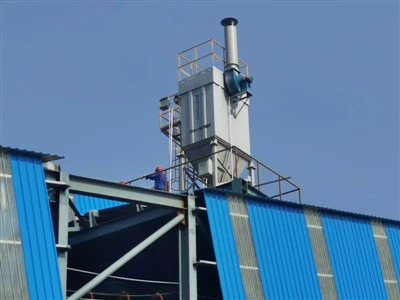
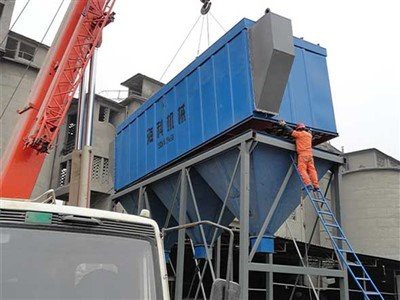
To reduce the emission of particulate matter, Pulverized Coal Furnaces are often equipped with particulate control devices such as electrostatic precipitators or baghouses. Electrostatic precipitators use an electrostatic charge to attract and collect the particulate matter, while baghouses use fabric filters to trap the particles. These devices can be highly effective in reducing PM emissions, ensuring that the air quality in the surrounding area is less affected.
Sulfur Dioxide Removal
To control SO₂ emissions, a process called flue gas desulfurization (FGD) is commonly used. FGD systems typically involve the injection of a sorbent, such as limestone, into the flue gas. The sorbent reacts with the SO₂ to form a solid by - product, which can be removed from the flue gas. This significantly reduces the amount of SO₂ released into the atmosphere.
Nitrogen Oxides Reduction
To reduce NOₓ emissions, techniques such as low - NOₓ burners and selective catalytic reduction (SCR) can be employed. Low - NOₓ burners are designed to reduce the formation of NOₓ during the combustion process by controlling the air - fuel mixing and combustion temperature. SCR systems use a catalyst to convert NOₓ into nitrogen and water, effectively reducing the NOₓ emissions.
Comparison with Other Furnace Types
When considering the impact on air quality, it's useful to compare Pulverized Coal Furnaces with other types of furnaces. For example, a Fluidized Bed Furnace operates by suspending coal particles in a stream of air, which allows for more efficient combustion and can result in lower emissions of pollutants such as SO₂ and NOₓ. A Natural Gas Hot Air Furnace burns natural gas, which is a cleaner - burning fuel compared to coal, resulting in significantly lower emissions of particulate matter, SO₂, and NOₓ. A Blast Furnace Gas Hot Blast Stove uses blast furnace gas as a fuel, and its emissions characteristics depend on the quality of the gas and the design of the stove.
The Role of Technology and Regulation
Advancements in technology have played a crucial role in reducing the impact of Pulverized Coal Furnaces on air quality. Newer furnace designs and emission control technologies have made it possible to operate these furnaces with much lower emissions. Additionally, government regulations have been instrumental in driving the adoption of cleaner technologies. Stricter emission standards have forced furnace operators to invest in pollution control equipment and improve their combustion processes.
Conclusion
In conclusion, a Pulverized Coal Furnace has both positive and negative impacts on air quality. While it can be a significant source of air pollutants such as particulate matter, SO₂, and NOₓ, there are effective strategies to mitigate these emissions. By implementing advanced emission control technologies and adhering to strict environmental regulations, the negative impact on air quality can be minimized.
If you're in the market for a Pulverized Coal Furnace or want to learn more about how our products can meet your energy needs while minimizing environmental impact, I encourage you to reach out to us. We're here to provide you with the best solutions and support for your industrial furnace requirements.
References
- "Combustion Science and Engineering" by A. K. Gupta
- "Air Pollution Control: A Design Approach" by Daniel F. Cimbala and John A. Cimbala
- Environmental Protection Agency (EPA) reports on industrial emissions and air quality standards.