Installing a biomass pellet furnace can be a rewarding project that not only provides efficient heating but also contributes to a more sustainable environment. As a supplier of Biomass Pellet Furnace, I'm here to guide you through the installation process step by step.
Pre - installation Preparations
Before you start the installation, there are several important preparatory steps to take.
1. Site Selection
The first step is to choose the right location for your biomass pellet furnace. It should be installed in a well - ventilated area, preferably a basement, utility room, or a dedicated furnace room. The area should be dry, level, and have enough space around the furnace for maintenance and operation. The floor should be able to support the weight of the furnace and the fuel storage. Also, ensure that there is easy access to the fuel storage area and the chimney.
2. Fuel Storage
Biomass pellets need to be stored properly to prevent moisture absorption. You can use a dedicated pellet storage bin, which can be either inside or outside the building. If you choose an outdoor bin, make sure it is weather - proof. The storage bin should be located close to the furnace to minimize the effort required to transfer the pellets.
3. Chimney and Ventilation
A proper chimney and ventilation system are crucial for the safe operation of the biomass pellet furnace. The chimney should be installed according to local building codes and manufacturer's instructions. It should be straight, with a minimum height to ensure proper draft. The ventilation system should provide fresh air for combustion and remove the exhaust gases safely.
4. Electrical and Plumbing Connections
Check the electrical requirements of the biomass pellet furnace. It usually requires a dedicated electrical circuit. You may need to hire a qualified electrician to install the electrical connections. Regarding plumbing, if the furnace is connected to a hot water system, make sure the pipes are properly sized and installed to prevent leaks.
Installation Process
1. Unpacking and Inspection
Once you have all the preparations done, unpack the biomass pellet furnace and inspect it for any damage during shipping. Check all the components, including the burner, hopper, control panel, and heat exchanger. Make sure you have all the necessary parts and tools for the installation.

2. Mounting the Furnace
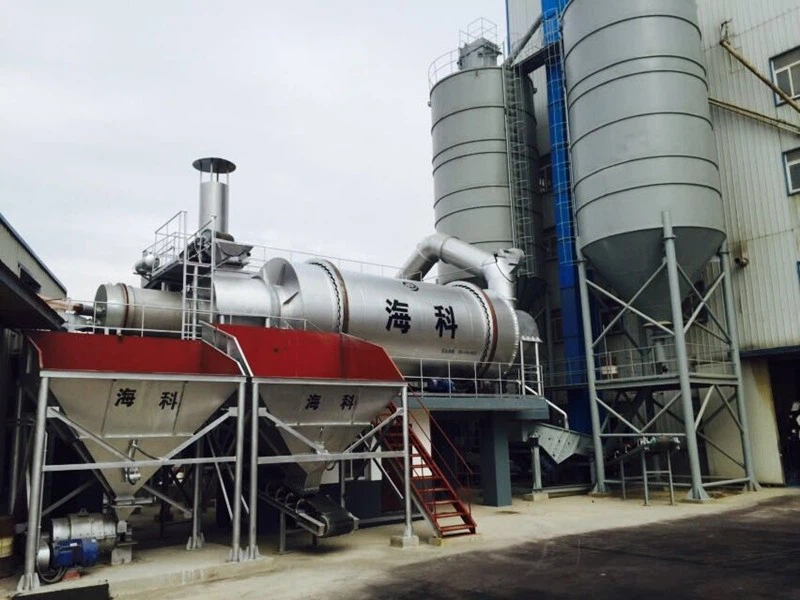
Place the furnace on the prepared site. Use shims if necessary to ensure it is level. Secure the furnace to the floor using the mounting brackets provided. Make sure the furnace is firmly attached to prevent any movement during operation.
3. Connecting the Fuel Hopper
Connect the fuel hopper to the furnace. This usually involves attaching the hopper to the feed system of the furnace. Make sure the connection is tight and there are no gaps that could allow pellets to spill.
4. Installing the Chimney
Install the chimney according to the manufacturer's instructions. Start from the top of the furnace and work your way up. Use proper chimney connectors and sealants to ensure a tight fit. The chimney should be supported at regular intervals to prevent it from sagging.
5. Electrical and Plumbing Connections
Connect the electrical wires to the furnace according to the wiring diagram. Make sure all the connections are secure and insulated. If the furnace is connected to a hot water system, connect the water pipes to the appropriate inlets and outlets. Use pipe fittings and sealants to prevent leaks.
6. Testing and Commissioning
After all the connections are made, it's time to test the biomass pellet furnace. Fill the hopper with biomass pellets and turn on the power. Follow the startup procedure in the user manual. Check for any abnormal noises, vibrations, or leaks. Monitor the temperature and pressure gauges to ensure the furnace is operating properly.
Advantages of Biomass Pellet Furnaces
Biomass pellet furnaces offer several advantages over other types of furnaces such as Pulverized Coal Furnace and Blast Furnace Gas Hot Blast Stove.
1. Environmental Friendliness
Biomass pellets are made from renewable resources such as wood chips, sawdust, and agricultural waste. When burned, they release significantly less carbon dioxide compared to fossil fuels. This makes biomass pellet furnaces a more sustainable heating option.
2. Cost - effectiveness
The cost of biomass pellets is generally lower than that of other fuels such as oil or natural gas. Additionally, the efficiency of biomass pellet furnaces is relatively high, which can lead to lower heating costs in the long run.
3. Convenience
Biomass pellet furnaces are easy to operate. They can be controlled automatically, and the fuel can be stored in a large bin, reducing the need for frequent refueling.
Maintenance and Troubleshooting
1. Regular Maintenance
To ensure the long - term performance of your biomass pellet furnace, regular maintenance is essential. This includes cleaning the ash pan, inspecting the burner, and checking the electrical and plumbing connections. You should also clean the chimney regularly to prevent blockages.
2. Troubleshooting
If you encounter any problems with your biomass pellet furnace, such as a failure to start or poor heating performance, refer to the user manual. Common issues can often be resolved by checking the fuel supply, the ignition system, or the ventilation. If the problem persists, it's recommended to contact a professional technician.
Conclusion
Installing a biomass pellet furnace is a complex but achievable project. By following the steps outlined above and taking proper care of the furnace, you can enjoy efficient and sustainable heating for years to come. As a supplier of biomass pellet furnaces, we are committed to providing high - quality products and excellent customer service. If you are interested in purchasing a biomass pellet furnace or have any questions about the installation process, please feel free to contact us for a procurement discussion.
References
- Biomass Pellet Stove and Furnace Installation Guide, Manufacturer's Manual
- Local Building Codes for Heating Systems
- Research on Renewable Energy in Heating Applications