Hey there! As a supplier of table top conveyor belts, I often get asked about the maintenance intervals for these nifty pieces of equipment. So, I thought I'd take the time to break it down for you in this blog post.
Understanding the Basics
First off, let's talk about why maintenance is so important. A table top conveyor belt is a workhorse in many industries, moving products from one point to another with ease. But like any machine, it needs a little TLC to keep running smoothly. Regular maintenance helps prevent breakdowns, extends the lifespan of the belt, and ensures that your production line stays up and running.
Factors Affecting Maintenance Intervals
The maintenance intervals for a table top conveyor belt can vary depending on several factors. Here are some of the key things to consider:
- Usage Frequency: If your conveyor belt is running 24/7, it's going to need more frequent maintenance than one that's only used a few hours a day.
- Environment: The conditions in which the conveyor belt operates can also have a big impact on its maintenance needs. For example, if it's exposed to dust, moisture, or extreme temperatures, it may need to be serviced more often.
- Type of Products: The type of products being transported on the conveyor belt can also affect its maintenance intervals. If the products are heavy, abrasive, or sticky, they may cause more wear and tear on the belt.
- Quality of the Belt: The quality of the conveyor belt itself is another important factor. A high-quality belt is likely to require less maintenance than a cheaper, lower-quality one.
Recommended Maintenance Intervals
Based on these factors, here are some general guidelines for the maintenance intervals of a table top conveyor belt:
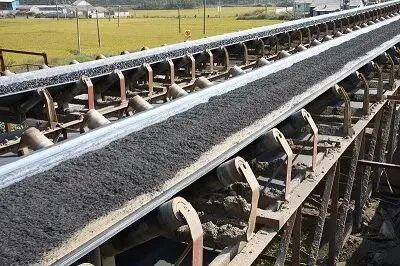
- Daily Checks: It's a good idea to perform a quick visual inspection of the conveyor belt every day. Look for any signs of damage, such as tears, cracks, or fraying. Check the tension of the belt and make sure it's running smoothly. Also, clean any debris or dust from the belt and the rollers.
- Weekly Maintenance: Once a week, you should perform a more thorough inspection of the conveyor belt. Check the alignment of the belt and the rollers, and make any necessary adjustments. Lubricate the moving parts, such as the bearings and the chain, to reduce friction and wear.
- Monthly Maintenance: Every month, you should conduct a comprehensive maintenance check of the conveyor belt. This includes checking the condition of the belt itself, as well as the motor, the drive system, and the controls. Replace any worn or damaged parts, and make sure all the connections are secure.
- Annual Maintenance: Once a year, you should have a professional technician perform a full maintenance service on the conveyor belt. This includes a detailed inspection, cleaning, and lubrication of all the components. The technician may also recommend any necessary repairs or upgrades to ensure the continued performance of the conveyor belt.
Importance of Following Maintenance Intervals
Following these maintenance intervals is crucial for the long-term performance and reliability of your table top conveyor belt. By performing regular maintenance, you can prevent small problems from turning into big ones, and avoid costly downtime and repairs. It also helps to ensure the safety of your employees and the quality of your products.
Additional Tips for Maintenance
In addition to following the recommended maintenance intervals, here are some additional tips to keep your table top conveyor belt in top condition:
- Train Your Employees: Make sure your employees are properly trained on how to operate and maintain the conveyor belt. This includes how to perform daily checks, how to clean the belt, and how to identify any potential problems.
- Use the Right Cleaning Products: When cleaning the conveyor belt, make sure you use the right cleaning products. Avoid using harsh chemicals or abrasive materials, as these can damage the belt.
- Store the Belt Properly: If you need to store the conveyor belt for an extended period of time, make sure you store it properly. Keep it in a dry, cool place, and avoid exposing it to direct sunlight or extreme temperatures.
- Monitor the Performance of the Belt: Keep an eye on the performance of the conveyor belt, and look for any signs of wear or damage. If you notice any problems, address them immediately to prevent further damage.
Conclusion
In conclusion, the maintenance intervals for a table top conveyor belt can vary depending on several factors, including usage frequency, environment, type of products, and quality of the belt. By following the recommended maintenance intervals and taking additional steps to care for your conveyor belt, you can ensure its long-term performance and reliability.
If you're in the market for a table top conveyor belt, or if you have any questions about maintenance or installation, don't hesitate to contact us. We're here to help you find the right solution for your needs.
References
- Conveyor Belt Handbook, published by the Conveyor Equipment Manufacturers Association (CEMA)
- Maintenance Best Practices for Conveyor Systems, white paper by a leading conveyor belt manufacturer
Remember, a well-maintained conveyor belt is a happy conveyor belt! So, take the time to care for yours, and it will reward you with years of reliable service. And if you're interested in other related products, check out our Universal Bucket Elevator, Automatic Ton-Bag Packaging System, and Pulverized Coal Injection Machine. If you have any questions or want to discuss a potential purchase, feel free to reach out and start a conversation with us.