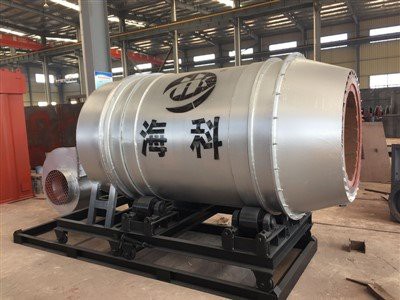
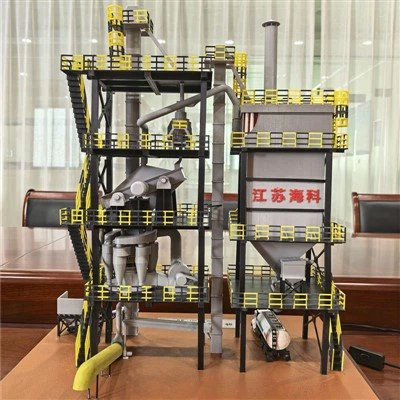
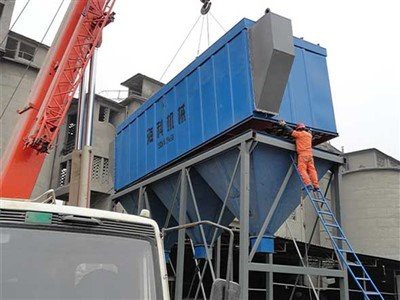
Hey there! As a supplier of Pulverized Coal Furnaces, I'm super stoked to share with you the main components of these amazing machines. Pulverized coal furnaces are a big deal in industries where high - temperature heat is needed, like power generation and some manufacturing processes. So, let's dive right in and take a look at what makes these furnaces tick.
Coal Feeding System
The first key component is the coal feeding system. This is where the coal gets into the furnace. We've got a coal bunker that stores the coal. It's like a big storage tank that holds the fuel until it's needed. From the bunker, the coal is fed into a feeder. The feeder controls the amount of coal that goes into the furnace. It's important to get this right because if you feed too much coal, you'll waste fuel and might cause problems with combustion. If you feed too little, you won't get enough heat.
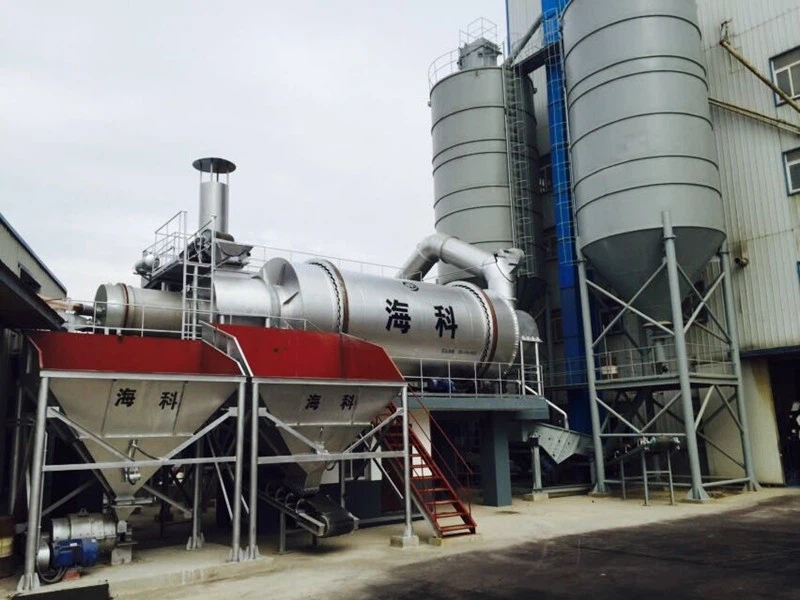
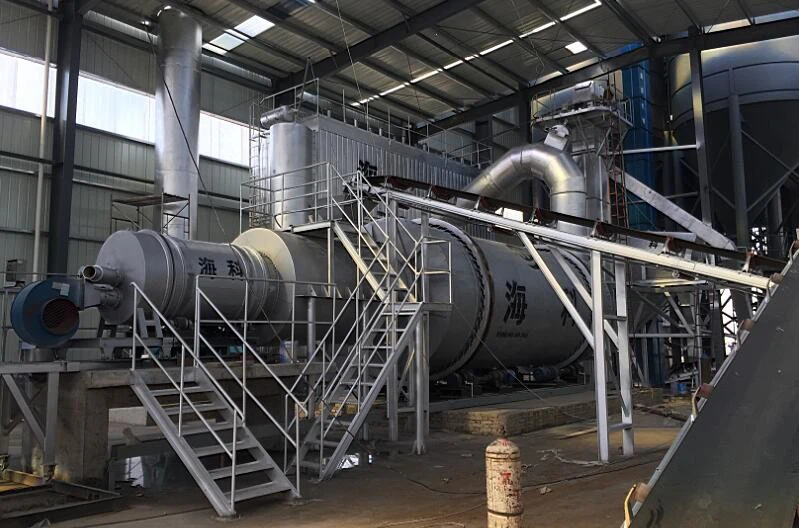
The feeder usually uses some kind of conveyor or a screw mechanism to move the coal. It's designed to be reliable so that the coal flow is consistent. And it's adjustable, too. You can change the rate of coal feeding depending on how much heat you need. For example, if you're running the furnace at full capacity, you'll need to feed more coal.
Pulverizer
Once the coal is in the furnace area, it needs to be ground into a fine powder. That's where the pulverizer comes in. The pulverizer is like a big grinder. It takes the coal and breaks it down into tiny particles. Why do we need to pulverize the coal? Well, the smaller the particles, the more surface area they have. And more surface area means better combustion. When the coal is in a fine powder form, it can burn much more efficiently.
There are different types of pulverizers, like ball mills and roller mills. Ball mills use steel balls to crush the coal. The balls roll around inside the mill and break the coal into pieces. Roller mills, on the other hand, use rollers to crush the coal between them. Each type has its own advantages, but they all do the same job: turning coal into a fine powder.
Burner
After the coal is pulverized, it's time to burn it. That's the job of the burner. The burner is where the magic happens. It mixes the pulverized coal with air and ignites it. The air is crucial because it provides the oxygen needed for combustion. The burner is designed to ensure that the coal and air are mixed evenly. This way, the coal burns completely, which is not only more efficient but also reduces emissions.
There are different types of burners, too. Some are designed for specific types of coal or for different furnace designs. The burner needs to be carefully adjusted to get the right mix of coal and air. If the mix is off, you might get incomplete combustion, which can lead to problems like soot buildup and lower efficiency.
Furnace Chamber
The furnace chamber is where the actual combustion takes place. It's a big, enclosed space where the coal burns and releases heat. The chamber needs to be made of materials that can withstand high temperatures. Usually, it's lined with refractory materials. These materials are like a heat shield. They protect the outer structure of the furnace from the intense heat inside.
The shape and size of the furnace chamber are also important. They affect how the coal burns and how the heat is distributed. A well - designed chamber will ensure that the heat is evenly spread throughout the furnace, which is important for efficient operation.
Air Supply System
The air supply system is another vital component. It provides the air needed for combustion. There are usually two types of air: primary air and secondary air. The primary air is mixed with the pulverized coal before it enters the burner. It helps to transport the coal and starts the combustion process. The secondary air is introduced later in the combustion process. It helps to complete the combustion and ensures that all the coal is burned.
The air supply system needs to be carefully controlled. The amount of air needs to be just right. If there's too much air, it can cool down the furnace and reduce efficiency. If there's too little air, the coal won't burn completely.
Ash Handling System
When the coal burns, it leaves behind ash. The ash handling system is responsible for removing this ash from the furnace. There are different ways to do this. Some furnaces use a dry ash removal system, where the ash is collected in a hopper and then removed. Others use a wet ash removal system, where the ash is mixed with water and then pumped out.
The ash handling system is important because if the ash isn't removed properly, it can build up in the furnace and cause problems. It can block the air passages, reduce heat transfer, and even damage the furnace components.
Heat Exchanger
The heat exchanger is used to transfer the heat from the combustion process to the medium that needs to be heated. For example, in a power plant, the heat exchanger is used to heat water to produce steam. The steam then drives a turbine to generate electricity.
There are different types of heat exchangers, like shell - and - tube heat exchangers and plate heat exchangers. The heat exchanger needs to be efficient so that as much heat as possible is transferred from the furnace to the medium.
Control System
Last but not least, we have the control system. The control system is like the brain of the pulverized coal furnace. It monitors and controls all the different components. It can adjust the coal feeding rate, the air supply, and the burner operation. It also monitors the temperature, pressure, and other important parameters.
The control system uses sensors to collect data and then uses this data to make adjustments. For example, if the temperature in the furnace is too high, the control system can reduce the coal feeding rate or increase the air supply.
Now, if you're in the market for a Pulverized Coal Furnace, or maybe you're just curious about other types of furnaces, we've got you covered. Check out our Pulverized Coal Furnace page for more details. We also offer Biomass Pellet Furnace and Natural Gas Hot Air Furnace options.
If you're interested in purchasing a furnace or have any questions, don't hesitate to reach out. We're here to help you find the right furnace for your needs.
References
- Perry, R. H., & Green, D. W. (1997). Perry's Chemical Engineers' Handbook. McGraw - Hill.
- Boyce, M. P. (2012). Gas Turbine Engineering Handbook. Gulf Professional Publishing.