Hey there! As a supplier of Composite Air Classifiers, I often get asked about the air pressure requirements for these machines. In this blog post, I'll break down what you need to know about the air pressure requirements for a Composite Air Classifier, and why it's so important.
Understanding the Basics of a Composite Air Classifier
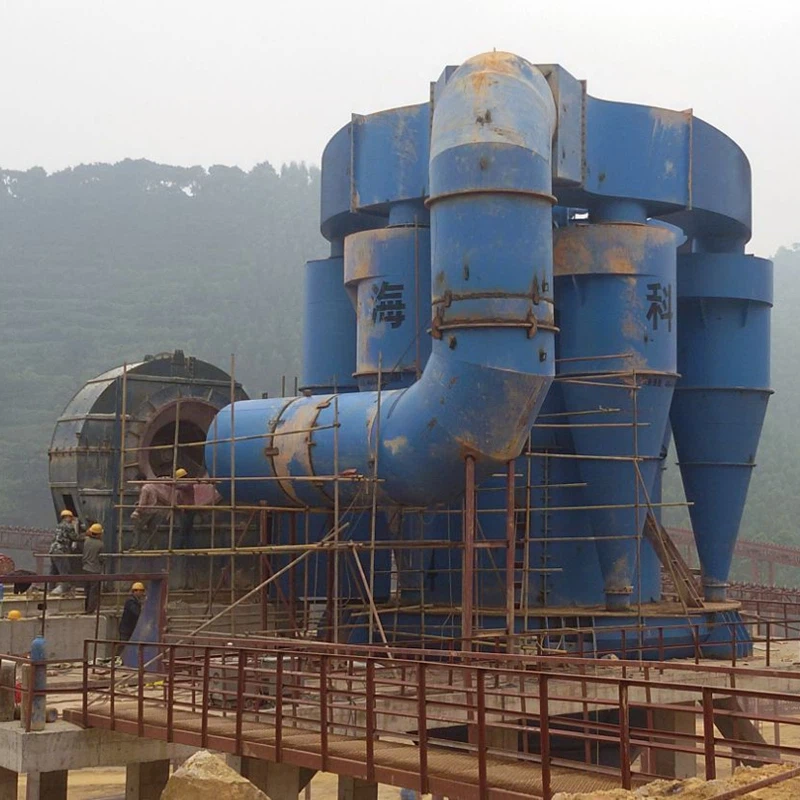
Before we dive into the air pressure requirements, let's quickly go over what a Composite Air Classifier is. A Composite Air Classifier is a machine used to separate particles of different sizes and densities from a mixture. It works by using air flow to carry the particles through a classification chamber, where they are sorted based on their size and density.
There are different types of air classifiers, like the Coal Mill Dynamic Air Classifier, Composite Air Classifier, and Dual - Rotor Air Classifier. Each type has its own unique features and applications, but they all rely on air pressure to function effectively.
Why Air Pressure Matters
Air pressure is crucial in a Composite Air Classifier because it determines how well the particles are separated. If the air pressure is too low, the particles won't be carried through the classification chamber properly, and the separation will be inefficient. On the other hand, if the air pressure is too high, it can cause the particles to be blown out of the chamber too quickly, leading to inaccurate separation.
The right air pressure ensures that the particles are carried at the correct speed through the classifier, allowing for precise separation based on size and density. This is essential for industries that require high - quality particle separation, such as the mining, cement, and chemical industries.
Factors Affecting Air Pressure Requirements
Several factors can affect the air pressure requirements for a Composite Air Classifier. Here are some of the key ones:

Particle Size and Density
The size and density of the particles being classified play a significant role in determining the air pressure needed. Larger and denser particles require more air pressure to be carried through the classifier. For example, if you're classifying heavy metal particles, you'll need a higher air pressure compared to classifying lightweight plastic particles.
Classifier Design
The design of the Composite Air Classifier also affects the air pressure requirements. Different classifier designs have different air flow patterns and resistance levels. Some designs may require higher air pressure to achieve the same level of separation as others. For instance, a classifier with a more complex internal structure may need a higher air pressure to overcome the increased resistance.
Throughput
The throughput, or the amount of material being processed by the classifier per unit of time, also impacts the air pressure requirements. Higher throughput generally requires higher air pressure to ensure that all the particles are properly classified. If you're trying to process a large volume of material quickly, you'll need to increase the air pressure to maintain efficient separation.
Determining the Optimal Air Pressure
So, how do you determine the optimal air pressure for your Composite Air Classifier? Well, it's not a one - size - fits - all answer. You need to consider the factors we mentioned earlier, such as particle size, density, classifier design, and throughput.
One way to determine the optimal air pressure is through testing. You can start with a baseline air pressure and gradually adjust it while monitoring the separation efficiency. You can use particle size analyzers to measure the size distribution of the classified particles and see how it changes with different air pressures.
Another approach is to consult the manufacturer's guidelines. As a supplier, we provide detailed information about the recommended air pressure range for our Composite Air Classifiers based on different operating conditions. These guidelines are based on extensive testing and research, so they can be a great starting point.
Maintaining the Right Air Pressure
Once you've determined the optimal air pressure, it's important to maintain it for consistent performance. Here are some tips to help you maintain the right air pressure:
Regular Maintenance
Regular maintenance of the air classifier is crucial. This includes cleaning the air ducts, checking for any blockages, and ensuring that the fans and blowers are working properly. A clogged air duct can cause a drop in air pressure, so it's important to keep them clean.
Monitoring
Install pressure sensors in the classifier to monitor the air pressure continuously. This allows you to detect any changes in air pressure early and take corrective action. If the air pressure drops or rises unexpectedly, you can investigate the cause and make the necessary adjustments.
Training
Make sure your operators are trained to understand the importance of air pressure and how to maintain it. They should know how to read the pressure gauges and make adjustments if needed. Proper training can help prevent issues related to air pressure and ensure the efficient operation of the classifier.
Benefits of Meeting the Air Pressure Requirements
Meeting the air pressure requirements for your Composite Air Classifier offers several benefits:
Improved Separation Efficiency
When the air pressure is at the optimal level, the classifier can separate particles more accurately. This means you'll get a higher - quality product with a more consistent particle size distribution.
Reduced Energy Consumption
Operating the classifier at the right air pressure can also help reduce energy consumption. If the air pressure is too high, the fans and blowers will use more energy than necessary. By maintaining the optimal air pressure, you can save on energy costs.
Longer Equipment Lifespan
Proper air pressure also helps to reduce wear and tear on the classifier. When the air pressure is too high or too low, it can put extra stress on the components, leading to premature failure. By keeping the air pressure within the recommended range, you can extend the lifespan of your equipment.
Conclusion
In conclusion, understanding the air pressure requirements for a Composite Air Classifier is essential for achieving efficient and accurate particle separation. The right air pressure depends on factors such as particle size, density, classifier design, and throughput. By determining the optimal air pressure, maintaining it, and reaping the benefits, you can ensure the smooth operation of your classifier.
If you're in the market for a Composite Air Classifier or have any questions about air pressure requirements, feel free to reach out. We're here to help you find the right solution for your specific needs.
References
- "Air Classification Technology" - Industry Handbook on Particle Separation
- Manufacturer's Manuals for Composite Air Classifiers