

1. Stable Heating: Through continuous combustion or heating element operation, hot blast stoves can maintain a relatively stable outlet air temperature for extended periods. This stability helps maintain a balanced indoor or working environment temperature, avoiding significant fluctuations.
2. Relatively Simple Structure: Most hot blast stoves consist mainly of a combustion chamber, heat exchanger, fan, and control system. The limited number of components and clear layout facilitate routine inspection and maintenance.
3. Adaptable to Multiple Fuels: Hot blast stoves can use different energy sources, such as natural gas, diesel, biomass pellets, or electricity, depending on the design. Users can choose the appropriate type based on local energy supply conditions.
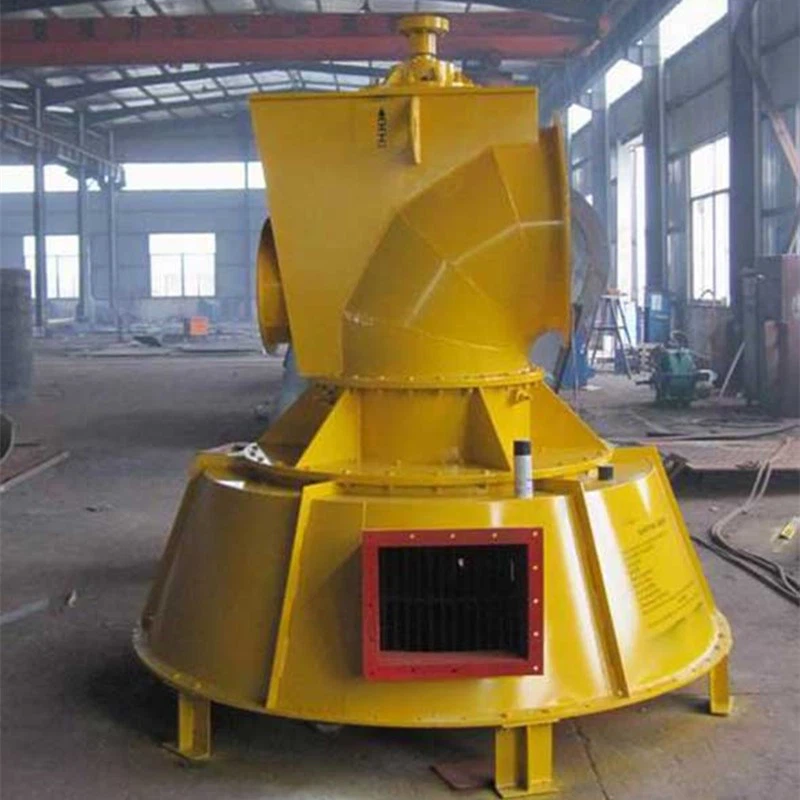
4. Rapid Heating: Because air flows directly over the surface of the high-temperature heat exchanger, the outlet air temperature can reach the set value within a short time after ignition or startup, making it suitable for applications requiring rapid ambient temperature increases.
5. Convenient Control: Modern hot blast stoves are typically equipped with temperature adjustment and operating status display functions. Users can set the air temperature and volume according to actual needs, and some models support timer and remote operation.
6. Relatively Flexible Installation. Depending on the specific model and power, hot air furnaces can be installed in a specific indoor machine room or a designated outdoor location, and hot air can be guided to different areas through air ducts.


