

1. Determine the appropriate heat output based on the area, insulation, and heating needs of the installation site. Insufficient power will result in inadequate heating, while excessive power may lead to energy waste.
2. Choose the fuel type based on local energy prices and supply stability. For example, in areas covered by natural gas pipelines, gas-fired furnaces should be prioritized; in areas with stable power supply and low electricity prices, electric hot air stoves can be considered.
3. Pay attention to the materials and manufacturing process of the hot air stove. The high-temperature resistance and corrosion resistance of the heat exchanger and furnace body materials directly affect the service life of the equipment.
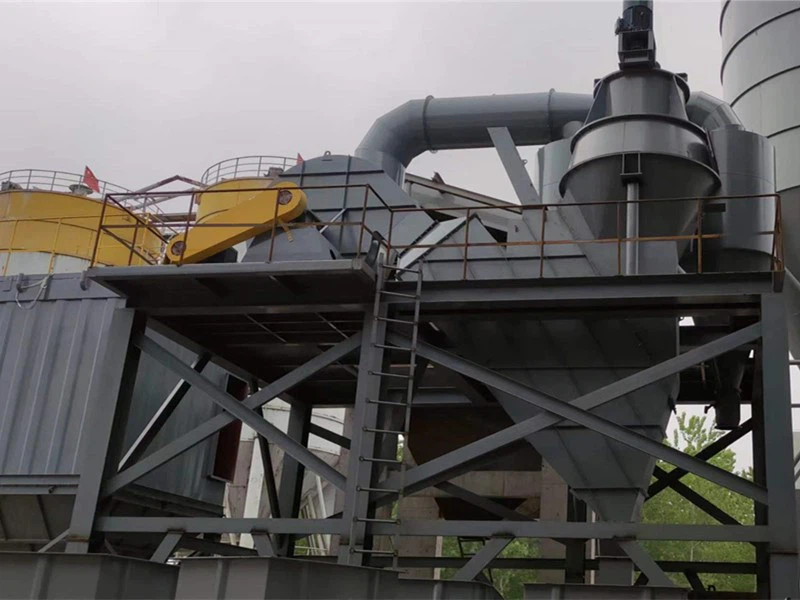
4. Check the safety protection functions. These include overheat protection, flameout protection, and fan failure alarms. These functions can automatically shut down the machine in abnormal situations, reducing the risk of accidents.
5. Consider the noise level of the equipment. Especially when installed in densely populated areas, choose fans and motors with low operating noise to minimize the impact on the surrounding environment.
6. Understand the after-sales service and spare parts supply. Ensure that technical support and repair services can be obtained promptly in case of equipment failure, guaranteeing normal operation.


