Sure, you can use a thermostat with a natural gas hot air furnace. As a supplier of Natural Gas Hot Air Furnace, I've seen firsthand how thermostats can make these furnaces work better and more efficiently.
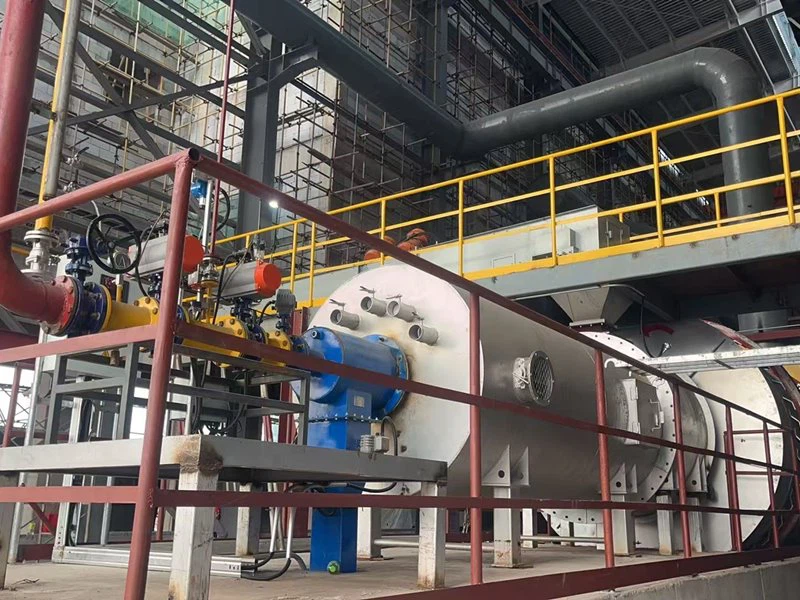
Let's start by understanding how a natural gas hot air furnace works. These furnaces burn natural gas to heat up air. The heated air is then blown through a system of ducts and into different rooms in your home. It's a pretty straightforward process, but it can be made even better with the right thermostat.
A thermostat is like the brain of your heating system. It allows you to set the temperature you want in your home. When the temperature in your home drops below the set temperature, the thermostat sends a signal to the furnace to turn on. Once the temperature reaches the set point, the thermostat tells the furnace to turn off. This way, you can keep your home at a comfortable temperature without having to constantly adjust the furnace manually.
There are different types of thermostats available, and each has its own features and benefits. For example, programmable thermostats are great because they allow you to set different temperatures for different times of the day. You can set the temperature lower at night when you're sleeping and higher during the day when you're awake. This can help you save energy and money on your heating bills.
Smart thermostats are even more advanced. They can connect to your home's Wi - Fi network, which means you can control them from your smartphone or other devices. You can adjust the temperature even when you're not at home. Some smart thermostats can also learn your temperature preferences over time and automatically adjust the temperature for you.
Now, let's talk about compatibility. Most modern natural gas hot air furnaces are designed to work with a wide range of thermostats. However, it's important to make sure that the thermostat you choose is compatible with your specific furnace model. You can usually find this information in the furnace's user manual or by contacting the manufacturer.
Installing a thermostat is usually a relatively simple process. If you're handy with tools, you might be able to do it yourself. However, if you're not comfortable working with electrical systems, it's best to hire a professional. A professional installer can make sure that the thermostat is installed correctly and that it's working properly with your furnace.
Using a thermostat with your natural gas hot air furnace can also help improve the lifespan of your furnace. By keeping the furnace from running constantly, you can reduce wear and tear on the components. This can save you money on repairs and replacements in the long run.
Another advantage is that it can improve the overall comfort of your home. With a thermostat, you can maintain a consistent temperature throughout your home. No more hot and cold spots!
When choosing a thermostat, there are a few things to consider. First, think about your budget. Programmable and smart thermostats tend to be more expensive than basic thermostats, but they can offer more features and savings in the long run.
Second, consider the size of your home. If you have a large home, you might need a thermostat with more advanced features to ensure that the temperature is evenly distributed.
Third, think about your lifestyle. If you're often away from home, a smart thermostat might be a good choice because you can control it remotely.
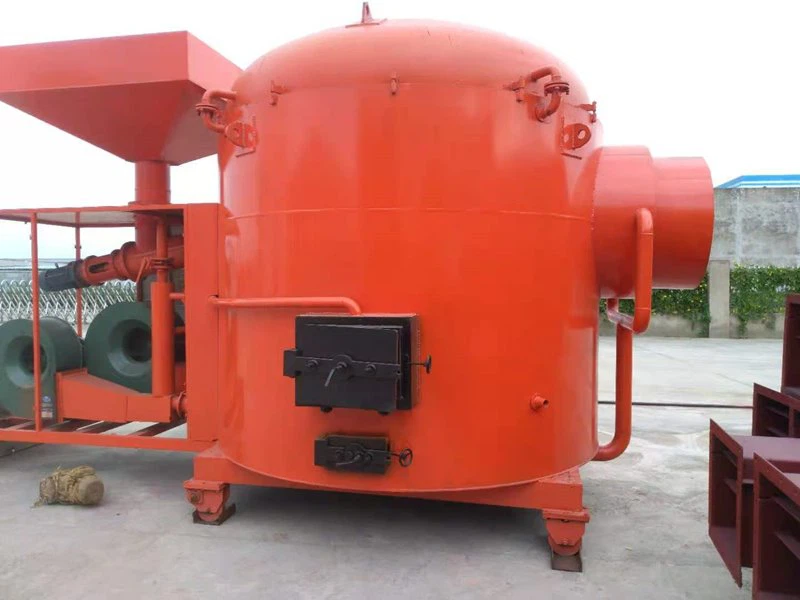
In addition to natural gas hot air furnaces, we also offer other types of furnaces, such as Biomass Pellet Furnace and Blast Furnace Gas Hot Blast Stove. Each type of furnace has its own advantages and disadvantages, and the right choice depends on your specific needs and circumstances.
If you're in the market for a natural gas hot air furnace or a thermostat to go with it, I'd love to have a chat with you. We can discuss your requirements, answer any questions you might have, and help you find the best solution for your home. Whether you're looking for a basic setup or a high - tech smart system, we've got you covered.
Contact us to start the conversation about your heating needs. We're here to help you make an informed decision and get the most out of your heating system.
References
- HVAC System Basics: Understanding How Your Furnace Works. Various industry publications.
- Thermostat Technology and Compatibility Guides. Manufacturer's manuals and online resources.