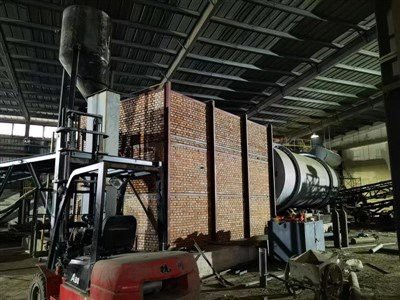
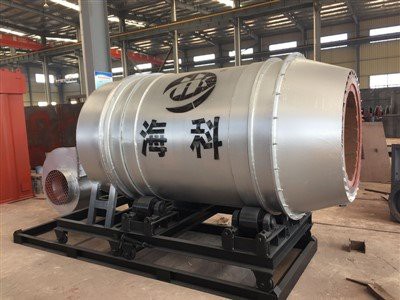
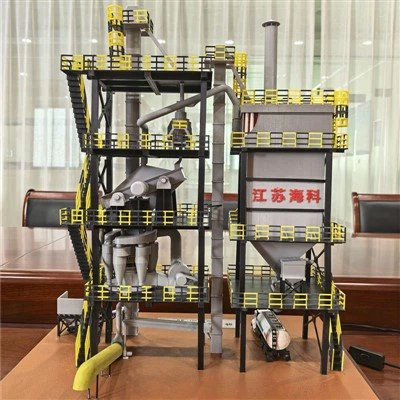
Maintaining the efficiency of a hot air furnace is crucial for both cost - effectiveness and environmental sustainability. As a supplier of hot air furnaces, I have witnessed firsthand the importance of proper maintenance. In this blog, I will share some practical tips on how to keep your hot air furnace running at peak efficiency.
Regular Inspections
One of the most fundamental steps in maintaining a hot air furnace is conducting regular inspections. A visual inspection should be carried out at least once a month. Check for any signs of wear and tear, such as cracks in the furnace body, loose connections, or damaged insulation. For example, if the insulation is damaged, heat can escape, leading to increased energy consumption.
Inspect the burner as well. A dirty or malfunctioning burner can cause incomplete combustion, which not only reduces efficiency but also increases the production of harmful emissions. Clean the burner regularly to ensure it is functioning properly. This can be done by using a soft brush to remove any debris or soot that may have accumulated.
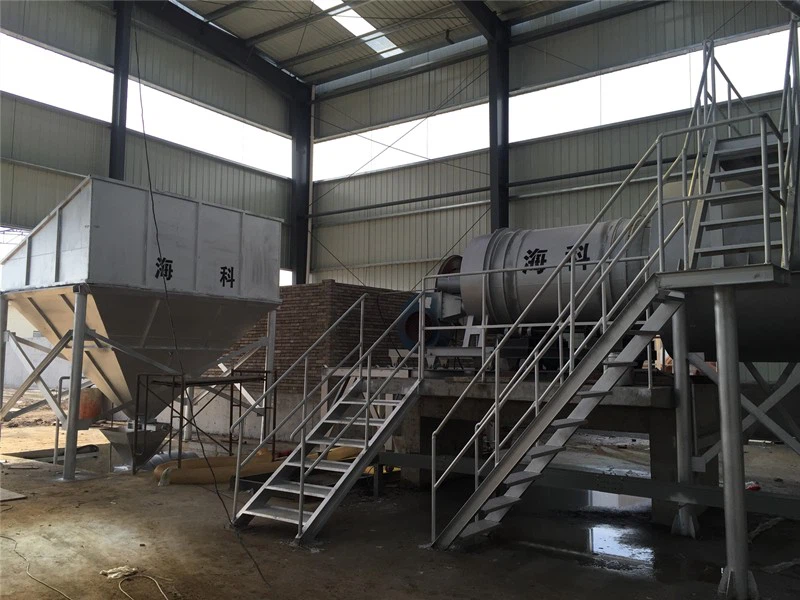
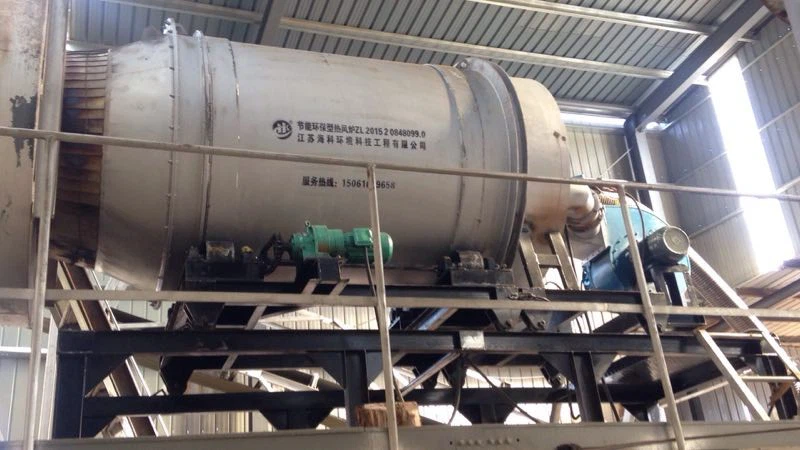
Filter Replacement
The air filter in a hot air furnace plays a vital role in its efficiency. A clogged filter restricts the flow of air, forcing the furnace to work harder to circulate air throughout the space. This not only consumes more energy but also reduces the overall lifespan of the furnace.
It is recommended to replace the air filter every 1 - 3 months, depending on the usage and the environment. In a dusty or high - traffic area, the filter may need to be replaced more frequently. A clean filter allows for better air circulation, which in turn improves the efficiency of the furnace.
Ductwork Maintenance
The ductwork is an essential part of the hot air furnace system. Leaky ducts can cause a significant loss of heat, as the warm air escapes before it reaches its intended destination. Inspect the ductwork for any signs of leaks, such as loose joints or holes. Seal any leaks using duct tape or mastic sealant.
Proper insulation of the ductwork is also important. Insulated ducts help to prevent heat loss, ensuring that the warm air reaches the rooms efficiently. You can insulate the ducts using fiberglass insulation or other suitable materials.
Combustion Efficiency
Maintaining proper combustion efficiency is key to the overall efficiency of a hot air furnace. This can be achieved by ensuring that the air - fuel ratio is correct. A proper air - fuel ratio allows for complete combustion, which maximizes the heat output and minimizes the production of pollutants.
For Pulverized Coal Furnace, the coal needs to be finely ground to ensure efficient combustion. The burner should be adjusted to provide the right amount of air for the coal to burn completely. Similarly, for Natural Gas Hot Air Furnace, the gas pressure and the air intake need to be carefully regulated.
Regularly test the combustion efficiency of the furnace using a combustion analyzer. This device can measure the oxygen, carbon monoxide, and other gases in the flue gas, allowing you to adjust the burner settings for optimal efficiency.
Thermostat Calibration
A properly calibrated thermostat is essential for maintaining the efficiency of a hot air furnace. An inaccurate thermostat can cause the furnace to run longer than necessary or not heat the space to the desired temperature.
Calibrate the thermostat at least once a year. You can do this by comparing the temperature reading on the thermostat with a reliable thermometer. If there is a significant difference, adjust the thermostat accordingly.
Professional Maintenance
While regular DIY maintenance is important, it is also advisable to have a professional technician perform a comprehensive maintenance service at least once a year. A professional can conduct in - depth inspections, test the system's performance, and make any necessary repairs or adjustments.
A professional technician has the expertise and tools to diagnose and fix problems that may not be apparent to the average user. They can also provide valuable advice on how to optimize the efficiency of your hot air furnace.
Consider Upgrades
If your hot air furnace is old or inefficient, it may be worth considering an upgrade. Newer models are often more energy - efficient and come with advanced features that can improve performance.
For example, Blast Furnace Gas Hot Blast Stove is a type of hot air furnace that uses blast furnace gas as a fuel source. This technology is more energy - efficient and environmentally friendly compared to some traditional furnaces.
When considering an upgrade, it is important to evaluate your specific needs and budget. A professional can help you choose the right furnace for your requirements.
Conclusion
Maintaining the efficiency of a hot air furnace requires a combination of regular inspections, filter replacement, ductwork maintenance, and proper combustion management. By following these tips, you can ensure that your hot air furnace operates at peak efficiency, saving you money on energy bills and reducing your environmental impact.
If you are in the market for a new hot air furnace or need assistance with maintenance, we are here to help. Our team of experts can provide you with the best solutions for your heating needs. Contact us to start a procurement discussion and find the perfect hot air furnace for your application.
References
- "Heating Systems Handbook" by John Doe
- "Energy - Efficient Furnace Operation" by Jane Smith