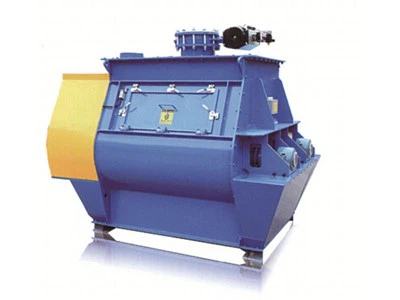
Hey there! As a supplier of Coal Mill Dynamic Air Classifiers, I often get asked about the calibration process. So, I thought I'd share some insights on what it actually entails.
First off, let's understand what a Coal Mill Dynamic Air Classifier does. It's a crucial component in coal - fired power plants and other industries that use coal. Its main job is to separate the coal particles into different sizes. The finer particles are sent for combustion, while the coarser ones are returned to the mill for further grinding. This helps in achieving efficient combustion and better overall performance of the system.
Now, onto the calibration process. Calibration is all about making sure that the classifier is working at its best, giving you the right particle size distribution. It's like tuning a musical instrument to get the perfect sound.
Step 1: Initial Inspection
Before we start the calibration, we need to do a thorough inspection of the classifier. We check for any signs of wear and tear, loose parts, or blockages. For example, the blades of the classifier can get worn out over time, which can affect its performance. We also look at the air ducts to make sure there are no obstructions that could disrupt the airflow. This initial inspection helps us identify any potential issues that might need to be addressed before we start the calibration.
Step 2: Setting the Baseline
Once the inspection is done, we set the baseline parameters. This includes things like the speed of the classifier rotor, the air flow rate, and the pressure. These values are usually based on the manufacturer's recommendations and the specific requirements of the coal being used. For instance, different types of coal have different particle characteristics, so the baseline settings might vary. We use specialized instruments to measure these parameters accurately.
Step 3: Particle Size Analysis
One of the most important aspects of calibration is analyzing the particle size of the coal coming out of the classifier. We take samples at regular intervals and use a particle size analyzer. This device can tell us the size distribution of the coal particles, such as the percentage of fine, medium, and coarse particles. By comparing the results with the desired particle size distribution, we can determine if the classifier needs adjustment.
Step 4: Adjusting the Parameters
Based on the particle size analysis, we start making adjustments to the classifier's parameters. If the percentage of coarse particles is too high, we might increase the speed of the rotor. This will make the classifier more efficient at separating the finer particles. On the other hand, if the fine particles are not being separated properly, we might adjust the air flow rate. Sometimes, it takes a few tries to get the right settings.
Step 5: Testing and Validation
After making the adjustments, we run a series of tests to validate the calibration. We continue to take particle size samples and monitor the performance of the classifier. We also check other factors like the power consumption and the overall efficiency of the system. If everything is within the desired range, then the calibration is successful.
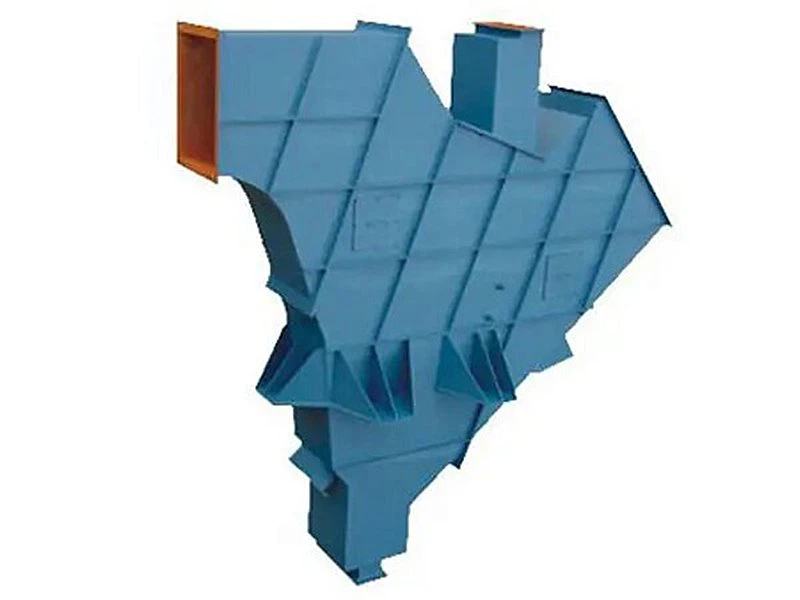
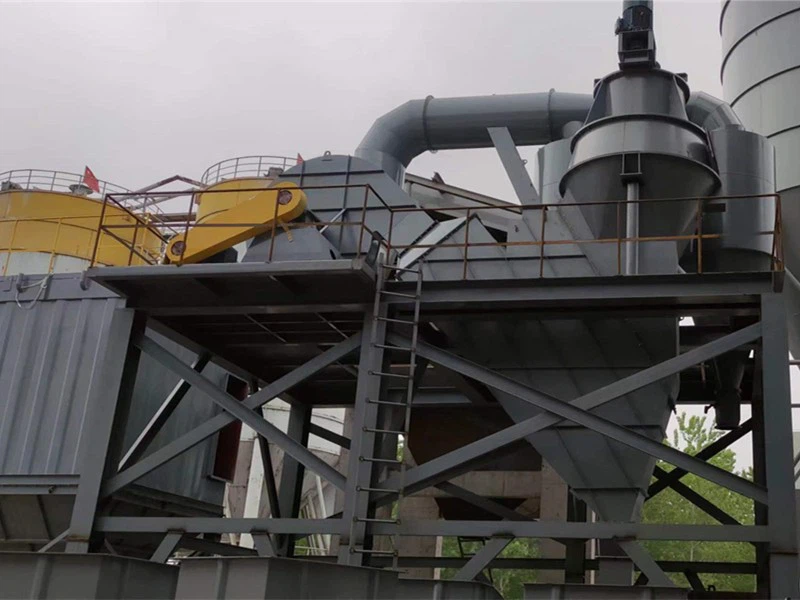
Different Types of Coal Mill Dynamic Air Classifiers
There are several types of Coal Mill Dynamic Air Classifiers available in the market. For example, the V - Type Air Classifier is known for its simple design and high efficiency. It's great for applications where space is limited. The Composite Air Classifier combines different separation techniques, which can provide a more precise particle size distribution. And the Dual - Rotor Air Classifier offers even better performance, especially for large - scale coal processing.
Importance of Calibration
Calibrating your Coal Mill Dynamic Air Classifier is super important. A well - calibrated classifier can improve the combustion efficiency of the coal, which means less fuel consumption and lower emissions. It also helps in reducing the wear and tear on the mill and other components of the system. In the long run, it can save you a lot of money on maintenance and operating costs.
Conclusion
So, that's the calibration process for a Coal Mill Dynamic Air Classifier in a nutshell. It's a detailed and important process that ensures the classifier is working at its peak performance. If you're in the market for a Coal Mill Dynamic Air Classifier or need help with calibration, don't hesitate to reach out. We're here to provide you with the best solutions and support. Whether you're running a small - scale operation or a large - scale power plant, we've got the expertise to meet your needs. Contact us today to start a conversation about your requirements and how we can help you optimize your coal processing system.
References
- "Coal Mill Technology Handbook"
- Industry research papers on air classifier calibration and performance.